7 Signs Your Windows Need Replacing
Windows are easy to ignore until something goes obviously wrong. But the signs that your windows are past their best often appear gradually – a bit more condensation here, a slight draught there – and it’s easy to put off dealing with them until the problem becomes impossible to ignore.
Here are seven clear signs that your windows are due for replacement, and what each one means in practice.
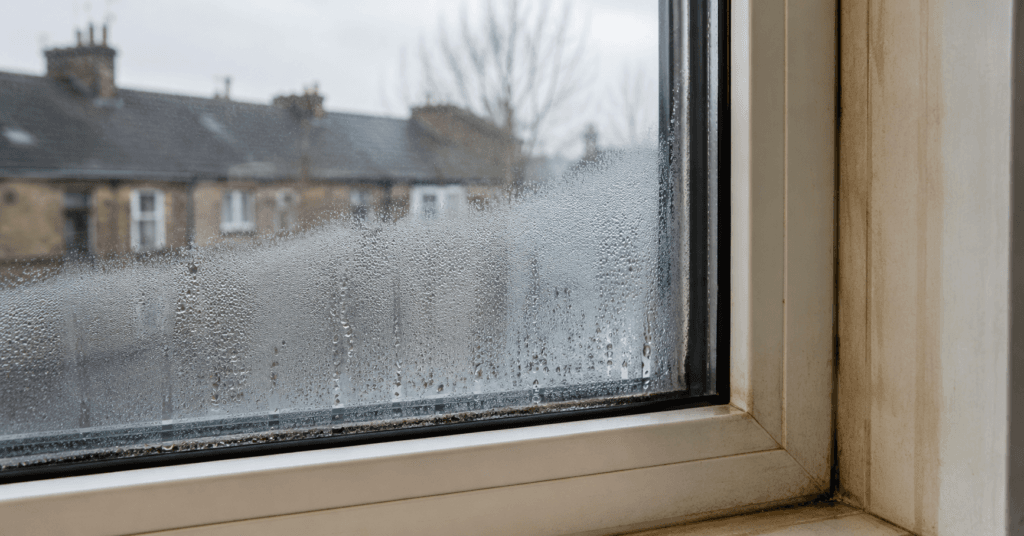
1. Condensation between the panes
This is the most unambiguous sign that a double-glazed window has failed. If you can see condensation, misting, or water droplets between the two panes of glass – inside the unit, not on the surface – it means the hermetic seal around the glazing unit has broken down. Once that happens, the argon or air that provides the insulating barrier between the panes has escaped and been replaced by moist air from outside. The unit can’t be repaired – it needs to be replaced.
A glazier can sometimes replace just the sealed unit within an existing frame, which is cheaper than a full window replacement. Whether this is worthwhile depends on the age and condition of the frame – if the frame is also deteriorating, a full replacement makes more sense.
2. Draughts around the frame
Hold your hand around the edge of a closed window on a windy day. If you can feel cold air coming through, the seal between the frame and the wall, or between the frame and the opening sash, has failed. This might be a perished rubber gasket that can be replaced cheaply, or it might indicate that the frame has warped or shrunk to the point where it no longer fits correctly.
Persistent draughts around multiple windows – or draughts that come back quickly after attempts to draught-proof the gaps – usually indicate that the frames have reached the end of their useful life.
3. Difficulty opening, closing or locking
Windows that stick, won’t fully close, or require significant force to lock are both a practical problem and a security risk. uPVC frames can warp slightly over time due to temperature cycling; hinges and locking mechanisms wear out; frames can drop out of alignment if the original installation wasn’t perfect. Minor adjustment can sometimes fix this, but if it keeps coming back or affects multiple windows, it’s a sign the frames are deteriorating.
A window that won’t fully lock is a security vulnerability that should be addressed promptly.
4. Noticeably cold glass or frames
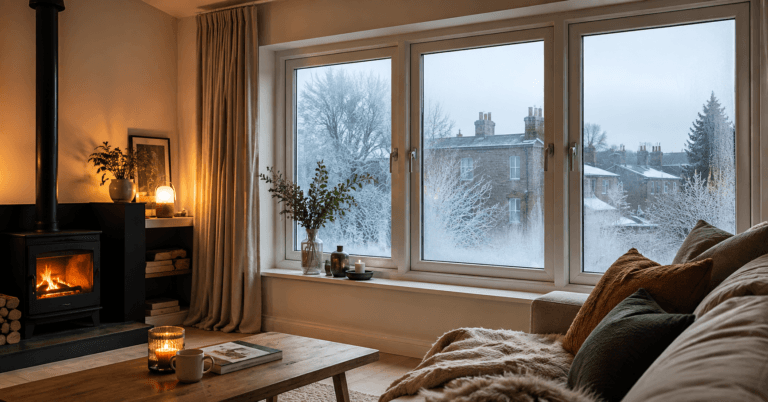
Touch the glass on the inside of a double-glazed window on a cold day. It should feel only slightly cool – noticeably warmer than single glazing. If the glass feels cold to the touch, or if you can feel radiant cold coming off the window when standing nearby, the thermal performance of the unit has degraded. This could be failed glazing, inadequate glazing specification for your climate, or frames that are conducting cold from outside.
In Scotland, this matters more than in southern England. Windows that felt adequate 15 years ago may now be performing significantly below current A-rated standards.
5. Rising energy bills alongside draughty rooms
Poor windows are one of the main routes for heat loss in a home. If specific rooms feel consistently harder to heat than the rest of the house, and those rooms have older or larger windows, the connection is likely. This is harder to attribute definitively to windows alone – insulation, heating system efficiency, and door seals all play a role – but if you’ve addressed other factors and the rooms still feel cold and expensive to heat, the windows are worth investigating.
6. Visible damage, rot or discolouration
For timber windows, visible rot in the frame or sill is a clear sign of failure. Once rot sets in, it spreads – and repair becomes increasingly costly compared to replacement. uPVC windows can discolour or yellow, particularly on south-facing elevations with heavy UV exposure. While this is partly cosmetic, it’s also a sign of material degradation that affects the structural integrity of the frame over time.
Damaged or rotten frames also compromise the seal between the frame and the wall, which can lead to damp ingress into the surrounding structure – a problem that is much more expensive to fix than the window itself.
7. Excessive noise from outside
Well-fitted, modern double glazing provides meaningful acoustic insulation. If outside noise – traffic, neighbours, aircraft – seems louder than it used to be, or louder than you’d expect, it can indicate that the glazing seal has broken down or that the glazing specification is inadequate for your location. Replacing with A-rated or acoustic glazing can make a significant difference to noise levels, particularly in urban areas.
How old are your windows?
uPVC windows have a typical lifespan of 20 – 25 years. If your windows were installed before 2005 and you’re experiencing any of the signs above, replacement is likely to make financial sense – particularly when you factor in the energy savings from modern A-rated glazing compared to older units.
If your windows were installed more recently and you’re experiencing problems, the issue may be installation quality rather than product lifespan, and it’s worth reviewing your installer guarantee.
What to do next
If you’re seeing one or more of these signs across your windows, the most practical first step is to get a professional assessment. A reputable window installer will tell you honestly whether individual units can be repaired or whether full replacement makes more sense – and should be happy to do this without pressure to commit to anything.
NuView Windows and Doors offer free, no-obligation home surveys across Glasgow and Stirling. We’ll assess your existing windows, advise on what needs doing, and give you a clear written quote. Visit our uPVC Windows Glasgow page or our window replacement guide for more information, or contact us to arrange a survey.
Frequently asked questions
Can I replace just the glass in a double-glazed window?
Yes, in some cases. If the frame is in good condition and the problem is just the failed glazing unit, a glazier can replace the sealed unit within the existing frame. This is cheaper than full window replacement. However, if the frame is also deteriorating, full replacement is usually more cost-effective in the long run.
How long does window replacement take?
A professional team can typically replace all windows in a standard 3-bedroom house in one to two days. Individual windows can often be done in a few hours. The property is habitable throughout – windows are replaced one at a time so the house is never left open.
Will replacing my windows reduce my energy bills?
If you’re replacing old or failed double glazing, yes – though the saving depends on what you’re replacing and what you’re replacing it with. The Energy Saving Trust estimates savings of around £150 – £200 per year in a typical semi-detached home when replacing single glazing with A-rated double glazing. The saving is lower when replacing existing double glazing that hasn’t failed.
Do I need planning permission to replace windows in Scotland?
In most cases, no – window replacement falls under permitted development. However, if your property is listed or in a conservation area, restrictions may apply. Always check with your local planning authority if you’re unsure.
What guarantee should new windows come with?
Look for a minimum 10-year guarantee on the product and a separate installation guarantee covering workmanship. The installer should also be able to confirm in writing that the work meets current Scottish building standards and you receive a certificate you’ll need if you sell the property.