uPVC vs Aluminium Windows: Which is Right for Your Home?
uPVC and aluminium are the two dominant window frame materials in the UK today – and choosing between them is one of the most common decisions homeowners face when replacing their windows. Both are low maintenance, both perform well, and both are available in a wide range of styles and colours. But they’re not the same, and the right choice depends on your property, your priorities, and your budget.
This guide gives you an honest comparison across the factors that matter most.
Cost
uPVC is the more affordable option. Typical installed prices in Scotland in 2026:
- uPVC casement window: £300 – £600 per window fully fitted
- Aluminium casement window: £600 – £1,100 per window fully fitted
For a full house replacement, the cost difference between uPVC and aluminium can be significant – £3,000 – £5,000 on a typical 3-bedroom home. Whether the premium is worth it depends on the other factors below.
Appearance and aesthetics
This is where the choice often comes down to personal preference and property type.
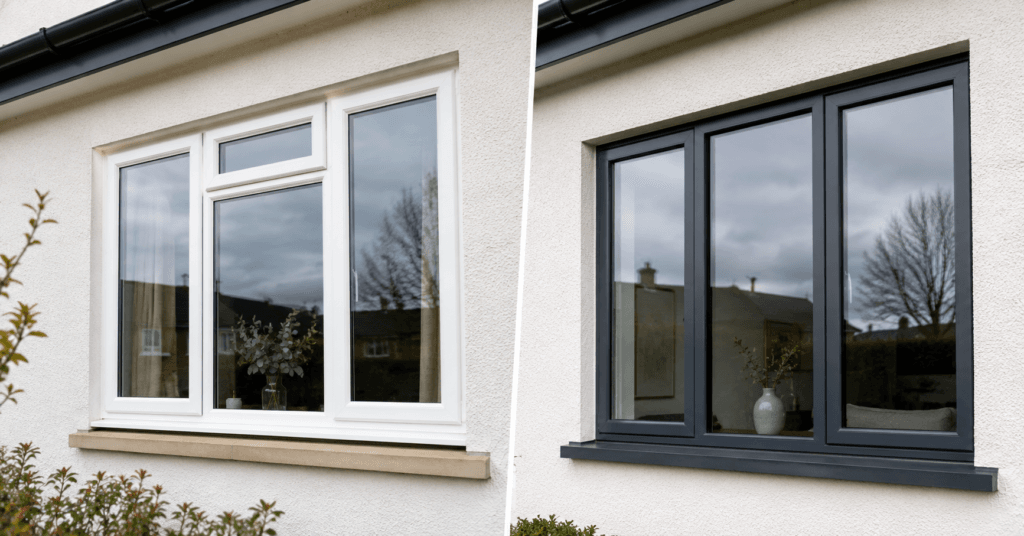
Aluminium offers a slimmer frame profile – the sight lines (the visible frame between the glass and the wall) are narrower with aluminium than uPVC. This gives more glass area for the same opening, lets in more light, and has a cleaner, more contemporary look. For modern extensions, new builds, and properties with large glazed areas, aluminium is generally the superior aesthetic choice.
uPVC frames are wider and have a more traditional profile. They look perfectly good on most standard Scottish houses – semis, detached, bungalows, newer flats – and have improved considerably in terms of finish quality over the past decade. However, for properties where the slim-line look matters, or where large areas of glazing are involved, the wider uPVC profile can look heavier and less refined.
Both are available in a wide range of colours and finishes, including woodgrain effects and dual-colour options (different colours inside and out).
Thermal performance
This is more nuanced than it might appear. Aluminium is an excellent conductor of heat, which historically made it a poor thermal performer – it transferred cold from outside directly into the building. Modern aluminium window systems address this with a thermal break – a section of insulating material that interrupts the metal frame and prevents direct conduction between the outer and inner surfaces. Good quality thermally broken aluminium windows can achieve thermal performance comparable to or better than standard uPVC.
In practice, for most domestic applications, both uPVC and quality aluminium windows achieve A or A+ energy ratings. If thermal performance is your primary concern, focus on the glazing specification (double vs triple, low-e coatings, argon fill) rather than the frame material – the glazing has a bigger impact on overall thermal performance than the frame.
Lifespan and durability
Aluminium wins here. A quality aluminium window should last 40 – 50 years with minimal maintenance. uPVC typically lasts 20 – 25 years before degradation becomes an issue.
Aluminium doesn’t warp, crack, or discolour in the way uPVC can, particularly in prolonged UV exposure. The anodised or powder-coated finish on aluminium is highly durable and maintains its appearance for decades. In Scotland’s climate – wet, variable temperatures, and significant UV at higher latitudes – aluminium’s resistance to the elements is a genuine advantage.
Maintenance
Both uPVC and aluminium are low maintenance compared to timber. Neither needs painting. Both benefit from occasional cleaning with a damp cloth and a light application of oil to the hinges and locks once or twice a year.
uPVC frames can yellow or fade over time, particularly on south-facing elevations. This is mainly cosmetic but can look dated. Aluminium’s powder-coated finish is more colour-stable over time.
Which is better for period properties?
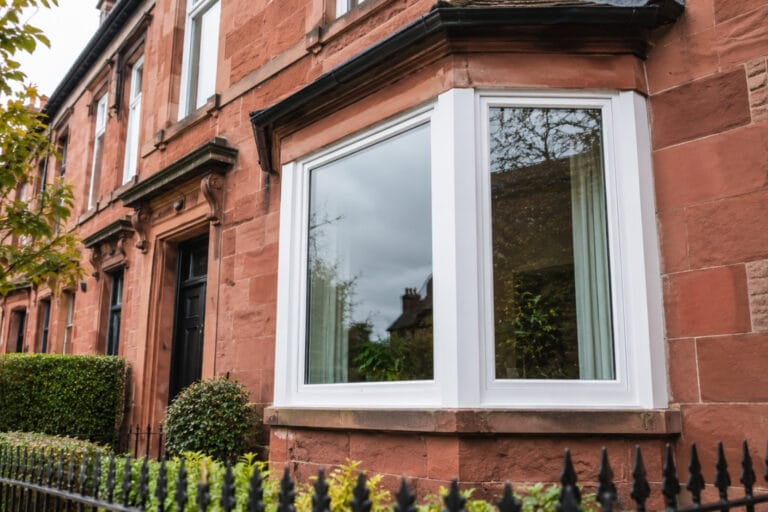
For traditional Scottish properties – sandstone terraces, Victorian semis, tenement flats – the choice is less straightforward. The slim profile of aluminium can work well with period windows if you’re going for a slim-line look. However, aluminium is also available in traditional flush sash styles that replicate the appearance of original timber sash windows, which is worth considering for older properties.
uPVC is also available in vertical slider (sash and case) configurations and, with the right colour, can look appropriate on traditional properties. The key is getting the frame proportions right – oversized modern-profile frames on a traditional property tend to look incongruous regardless of material.
If your property is in a conservation area or is listed, material choice may be restricted by planning conditions – always check before committing to either option.
Which should you choose?
Choose uPVC if:
- Budget is the primary consideration
- You’re replacing standard windows on a traditional property
- You want a practical, proven solution at a lower upfront cost
- You don’t expect to stay in the property for more than 15 – 20 years
Choose aluminium if:
- You want the slimmest possible frame profile
- You have a contemporary extension or modern property
- You’re making a long-term investment and want maximum lifespan
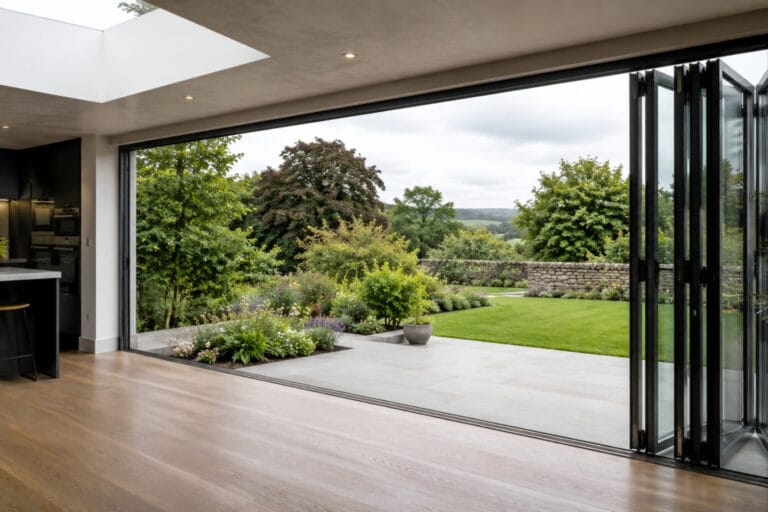
- Large glazed areas are involved – bifolds, picture windows, full-height glazing
- Colour stability over decades matters to you
See both in our Glasgow showroom
The best way to make this decision is to see and handle both options in person. NuView’s Glasgow showroom has both uPVC and aluminium windows on display – you can compare the frame profiles, colours, and overall quality side by side before making any decisions.
Visit our uPVC Windows Glasgow page or our Aluminium Windows Glasgow page for more detail on our ranges, or get in touch to arrange a free no-obligation survey at your home.
Frequently asked questions
Is aluminium better than uPVC for double glazing?
Better in some ways – slimmer profile, longer lifespan, more colour-stable – but not in all ways. uPVC is warmer feeling, cheaper upfront, and performs perfectly well thermally. The right answer depends on your property, budget, and priorities.
Do aluminium windows need more maintenance than uPVC?
No. Both are similarly low maintenance. Neither needs painting. Aluminium’s powder-coated finish is arguably more durable than uPVC over the long term.
Can I get aluminium windows in the same styles as uPVC?
Yes – casement, tilt-and-turn, sliding sash, bay, and most other standard styles are available in aluminium. The profile dimensions will be slightly different due to the slimmer frame, but the functional styles are the same.
Are aluminium windows better for the environment?
Aluminium is highly recyclable and can be recycled repeatedly without loss of quality. The longer lifespan also means fewer replacement cycles. However, aluminium production is energy-intensive, so the environmental calculation is complex. uPVC is also recyclable but to a lesser degree. If environmental impact is a priority, ask your installer about the recycled content in the products they supply.
How much more expensive is aluminium than uPVC?
Roughly 50 – 100% more per window in most configurations. For a full house replacement, that typically means an additional £3,000 – £6,000 for aluminium over uPVC. Whether that premium is worthwhile depends on your specific circumstances and how long you plan to stay in the property.