
6 Double Glazing Myths Busted
The double glazing industry has a long history of misleading claims, high-pressure selling, and confusing jargon. Over the years, a set of persistent myths has built up around what double glazing does, how it’s priced, and what homeowners actually need. Some of these myths lead people to overspend. Others lead people to underspend in ways they later regret.
Here are six of the most common double glazing myths – and the honest truth behind each one.
Myth 1: All double glazing is the same
This is perhaps the most damaging myth, because it leads homeowners to treat price as the only variable worth comparing. In reality, double glazing quality varies considerably across several dimensions.
The glazing unit itself varies in the size of the cavity between panes, the type of gas fill (argon is standard; krypton performs better), the presence or absence of low-emissivity (Low-E) coatings on the glass, and the U-value the unit achieves. A cheaply specified double-glazed unit might achieve a U-value of 1.8 W/m²K; a well-specified A++ unit might achieve 1.0 or better. That’s a significant difference in thermal performance.
Frame quality varies too – in the profile design, the wall thickness, the quality of the seals and gaskets, and the hardware. Two windows that look identical from across the room can perform very differently over a 20-year lifespan.
The honest takeaway: when comparing quotes, always ask for the U-value of the glazing units being supplied and the energy rating of the window as a whole. This is the only way to compare like for like.
Myth 2: Condensation on your windows means they’ve failed
This one depends entirely on where the condensation is appearing.
Condensation on the outside surface of the glass is actually a sign that your windows are working well. It means the outer pane is cold – because the inner pane is retaining heat effectively and not transferring it to the outside. External condensation burns off as the morning warms up and is nothing to worry about.
Condensation between the panes – inside the sealed unit, where you can see misting or water droplets trapped between the two pieces of glass – is a sign of seal failure. The hermetic seal has broken down, moist air has entered the cavity, and the thermal performance of the unit has been compromised. This does need attention, though it may be possible to replace just the glazing unit rather than the entire frame.
Condensation on the inside surface of the glass is usually a ventilation and humidity issue rather than a window fault. It’s most common in kitchens and bathrooms and typically indicates the room needs better ventilation.
Myth 3: Double glazing will massively cut your energy bills
Double glazing does reduce heat loss and can lower energy bills – but the scale of the saving depends heavily on what you’re replacing. If you’re replacing old single glazing, the improvement is significant. The Energy Saving Trust estimates savings of £150 – £200 per year in a typical semi-detached home when replacing single glazing with A-rated double glazing.
If you’re replacing existing double glazing that hasn’t failed, the saving from switching to newer units is more modest – typically £30 – £70 per year. The main benefit in that scenario is usually comfort – eliminating cold spots and draughts – rather than a dramatic reduction in bills.
Any installer who promises transformative energy savings without knowing what you’re currently working with is either guessing or overstating. Ask for realistic, evidence-based estimates.
Myth 4: uPVC windows all look the same
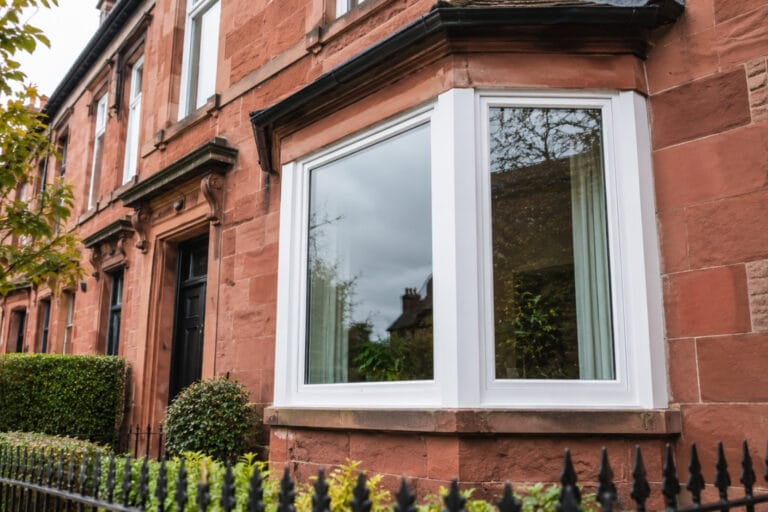
Twenty years ago this was closer to the truth. Today it isn’t. Modern uPVC windows are available in a wide range of profiles, finishes, and configurations that make them suitable for properties ranging from contemporary new builds to Victorian tenements.
Woodgrain foil finishes – including realistic oak and mahogany effects – are widely available and, at normal viewing distance, convincing. Flush casement profiles, where the sash sits flush with the outer frame, give a much cleaner, more contemporary look than standard stormproof profiles. Vertical slider (sash and case) configurations replicate the traditional sash window appearance common in Glasgow’s older housing stock.
Colour options have expanded considerably too – Anthracite Grey, Chartwell Green, and a range of dual-colour options (different colours inside and outside) are all standard across most quality uPVC ranges.
Myth 5: You should always get three quotes and choose the middle one
Getting multiple quotes is sensible. Automatically choosing the middle one isn’t. The right approach is to get two or three quotes, make sure they’re specifying the same or comparable products, and then evaluate them on specification, company reputation, and price – in that order.
A low quote often means a lower-specification product, a less experienced installation team, or a company cutting corners somewhere in the process. A high quote doesn’t automatically mean better quality. What you’re looking for is a clear, itemised quote from a reputable, reputable local installer that specifies exactly what you’re getting – not the one that happens to sit in the middle of the range.
Myth 6: The company with the biggest discount is offering the best deal
This is one of the oldest tactics in the double glazing industry. A company that opens with a price of £12,000, offers a 40% discount if you sign today, and comes down to £7,200 hasn’t given you a deal – they’ve revealed that their opening price was fiction. The actual market rate for the job is what you’d get from a straight-talking local installer who prices honestly from the start.
Be particularly wary of same-day pressure, time-limited discounts, and any company that doesn’t give you a written quote to take away and consider. A reputable installer will price the job accurately, give you a written quote, and wait for you to make a decision in your own time.
Getting honest advice on double glazing in Glasgow and Stirling
NuView offers free, no-obligation home surveys across Glasgow and Stirling. We’ll assess your existing windows, advise on what genuinely needs doing, and provide a clear written quote with no pressure to commit on the day. You can also visit our showrooms to see and compare window styles and specifications in person before making any decisions.
Visit our uPVC Windows Glasgow page or our windows hub to explore the range, or contact us to arrange a free survey.
Frequently asked questions
How do I know if my double glazing has failed?
The clearest sign is condensation or misting between the panes of glass – inside the sealed unit. You may also notice draughts around the frame, difficulty opening or closing windows, or cold glass on the inside surface during winter. Any of these are worth having assessed by a reputable installer.
Can you replace just the glass in a double-glazed window?
Yes, in many cases. If the frame is in good condition and the problem is a failed glazing unit, a glazier can replace the sealed unit within the existing frame. This is cheaper than a full window replacement. Whether it’s worthwhile depends on the age and condition of the frame.
What is a Low-E coating on double glazing?
Low-emissivity (Low-E) glass has a microscopically thin metallic coating on one surface that reflects heat back into the room rather than allowing it to pass through the glass. It significantly improves the U-value of a glazing unit without affecting transparency. It’s a standard feature on most quality double-glazed windows and should be included in any A-rated unit.
How long should double glazing last?
The glazing units themselves – the sealed glass sections – typically carry a 10-year guarantee against seal failure and should last 20 years or more in practice. uPVC frames have a lifespan of 20 – 25 years; aluminium frames typically last 40 years or more. The quality of the installation matters as much as the product – a well-fitted window from a reputable installer will significantly outlast a cheaper product poorly fitted.
Do I need FENSA certification for double glazing in Scotland?
No. FENSA and CERTASS are self-certification schemes that operate in England and Wales. They do not provide a building regulations self-certification route in Scotland. Most like-for-like window replacement in Scotland is exempt from needing a building warrant, so no certificate is required at all – you’ll need this when selling your property. You can verify whether an installer is FENSA or CERTASS registered on their respective websites.