
Sash and Case Windows Glasgow: Fitted Across the City by Our Own Team
Glasgow was built with sash and case windows. Red and blond sandstone tenements from Partick to Dennistoun, the villas of Pollokshields and Bearsden, the terraces of the Southside, almost every home built before 1920 has them, and most of the originals are now well past their best. Rattling in the wind, painted shut, single glazed, letting the heat out into the close.
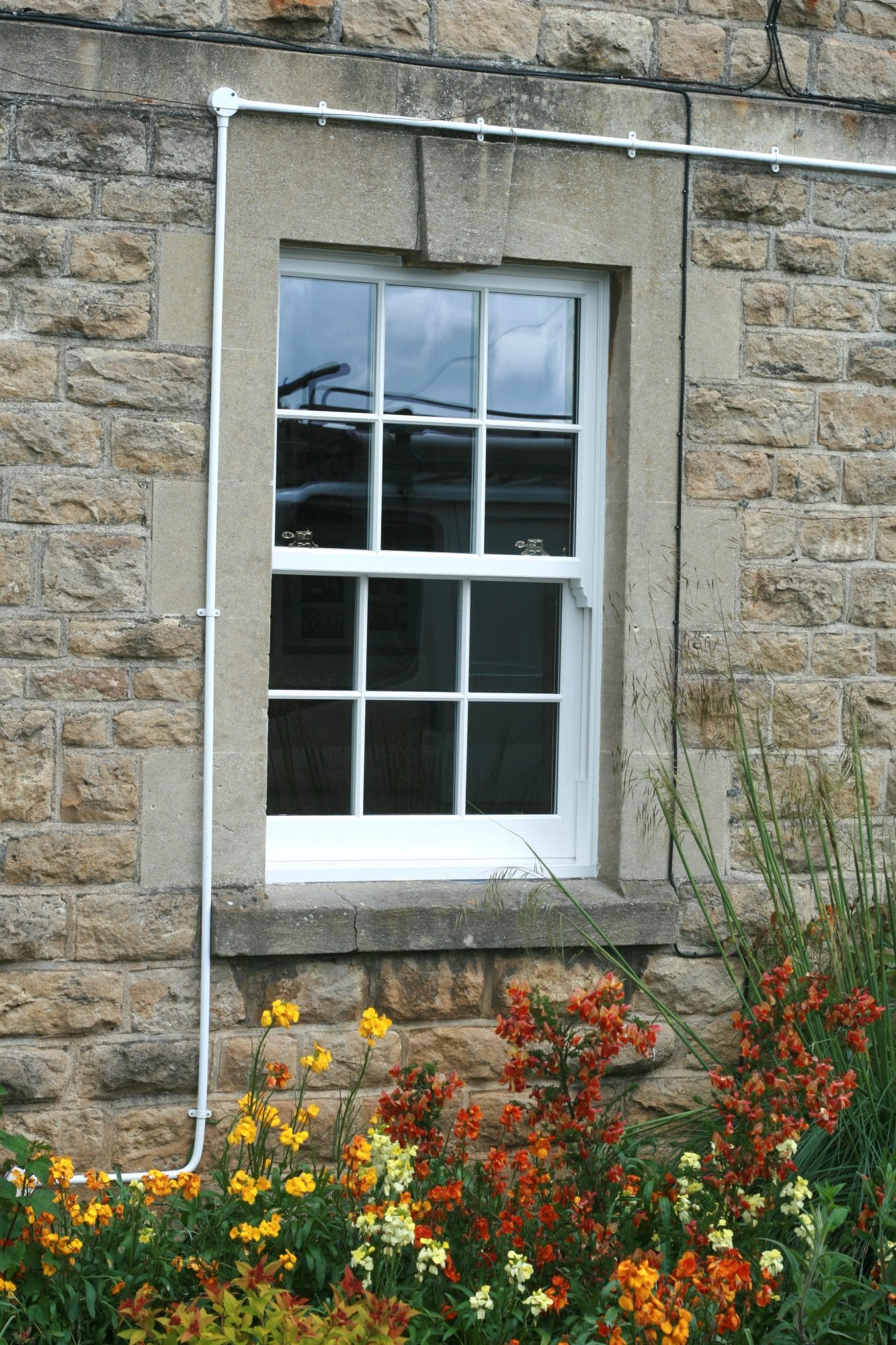
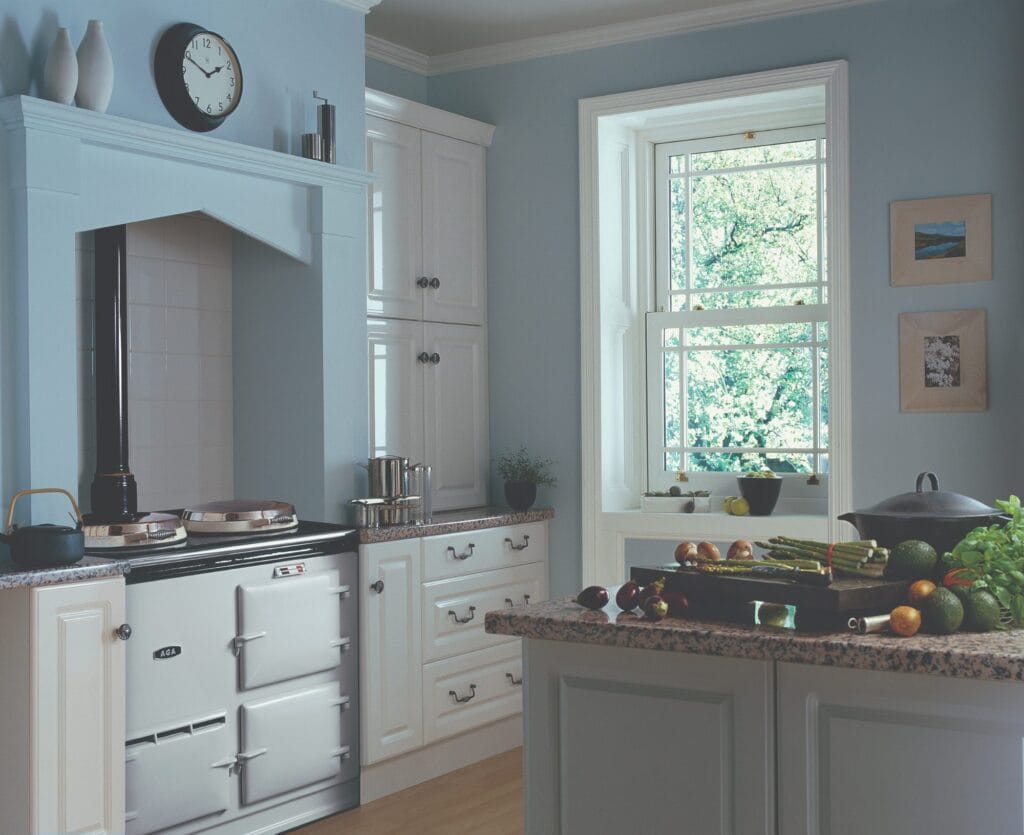
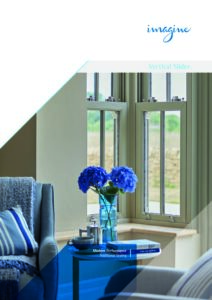
We replace them with VEKA Imagine vertical sliders, uPVC sash windows that look right on a sandstone elevation and perform like a modern window. Both sashes slide and tilt, the frames come welded or fully mechanically jointed for the timber look, and every one is fitted by our own installers, not subcontractors. Our Glasgow showroom is at Kinning Park, five minutes from the city centre.
Built for Glasgow homes
Tenement flats. Tall, narrow openings, upper floors, and a close full of neighbours. We make every sash to measure, work from inside wherever possible, and can quote for one flat or the whole close. We’re used to dealing with factors.
Sandstone villas and terraces. Bay windows, deep reveals and original proportions. Run-through horns, deep bottom rails and mechanically jointed frames keep the look the house was built with.
Conservation areas. Large parts of the West End, Pollokshields, Dennistoun, Strathbungo and the city centre are conservation areas. uPVC sash is accepted in many of them if the detailing is right; we’ll tell you what’s likely to pass on your street before you spend anything.
Main-road flats. Great Western Road, Dumbarton Road, Paisley Road West, Cathcart Road, acoustic glazing makes a real difference. Standard double glazing cuts noise by around 30–35 dB; ours typically achieves 40–45 dB, roughly halving what you hear.
Welded or mechanically jointed
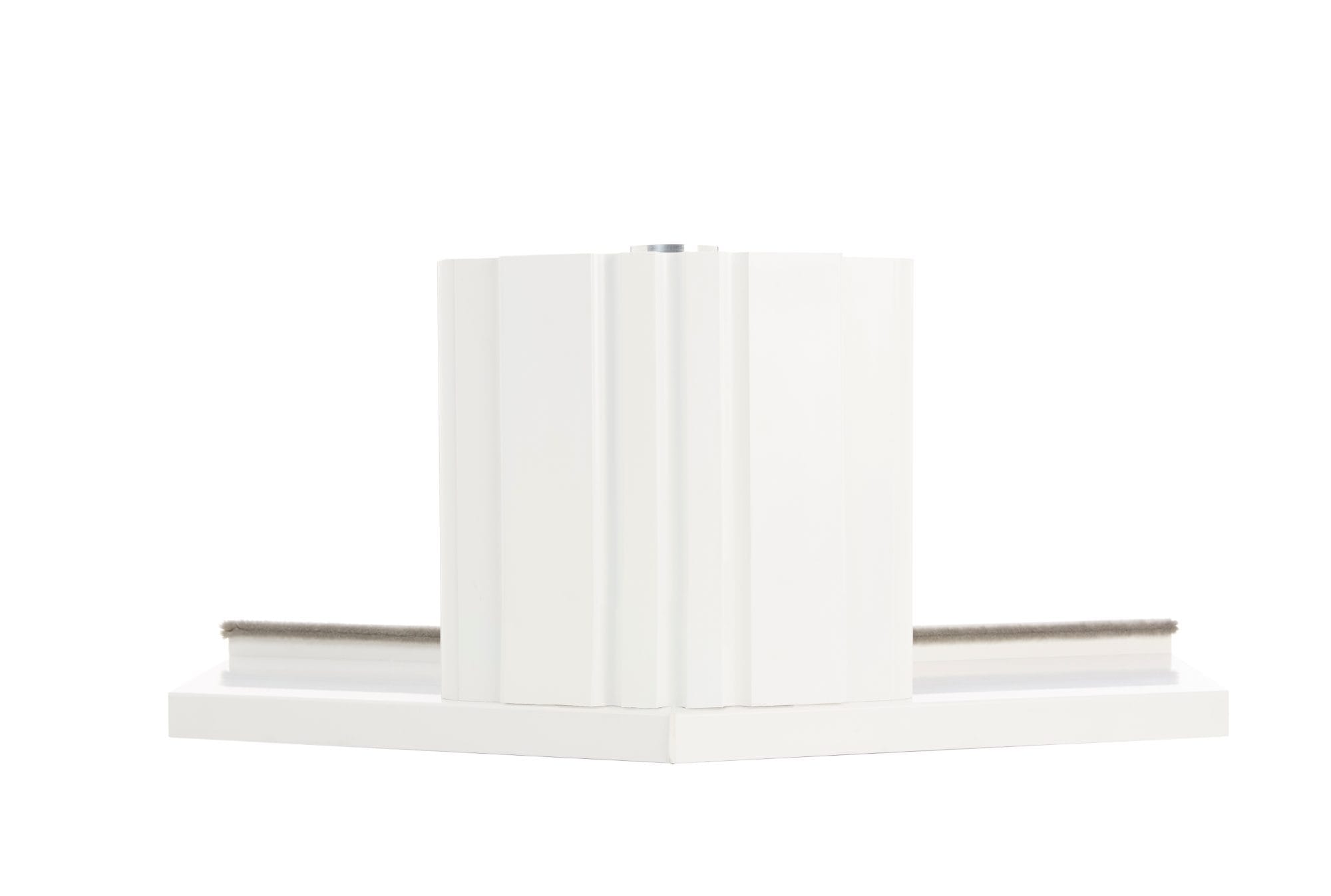
Welded and mechanically jointed corner samples are on display at Kinning Park, so you can see the difference for yourself.
Welded: fusion-welded corners, cleaned smooth. Strong, weathertight, best value.
Mechanically jointed: square-cut corners with concealed fixings, exactly like timber joinery. The choice for conservation areas and anyone who wants the most authentic finish. Horns and deep bottom rails are mechanically jointed as standard.
What you get
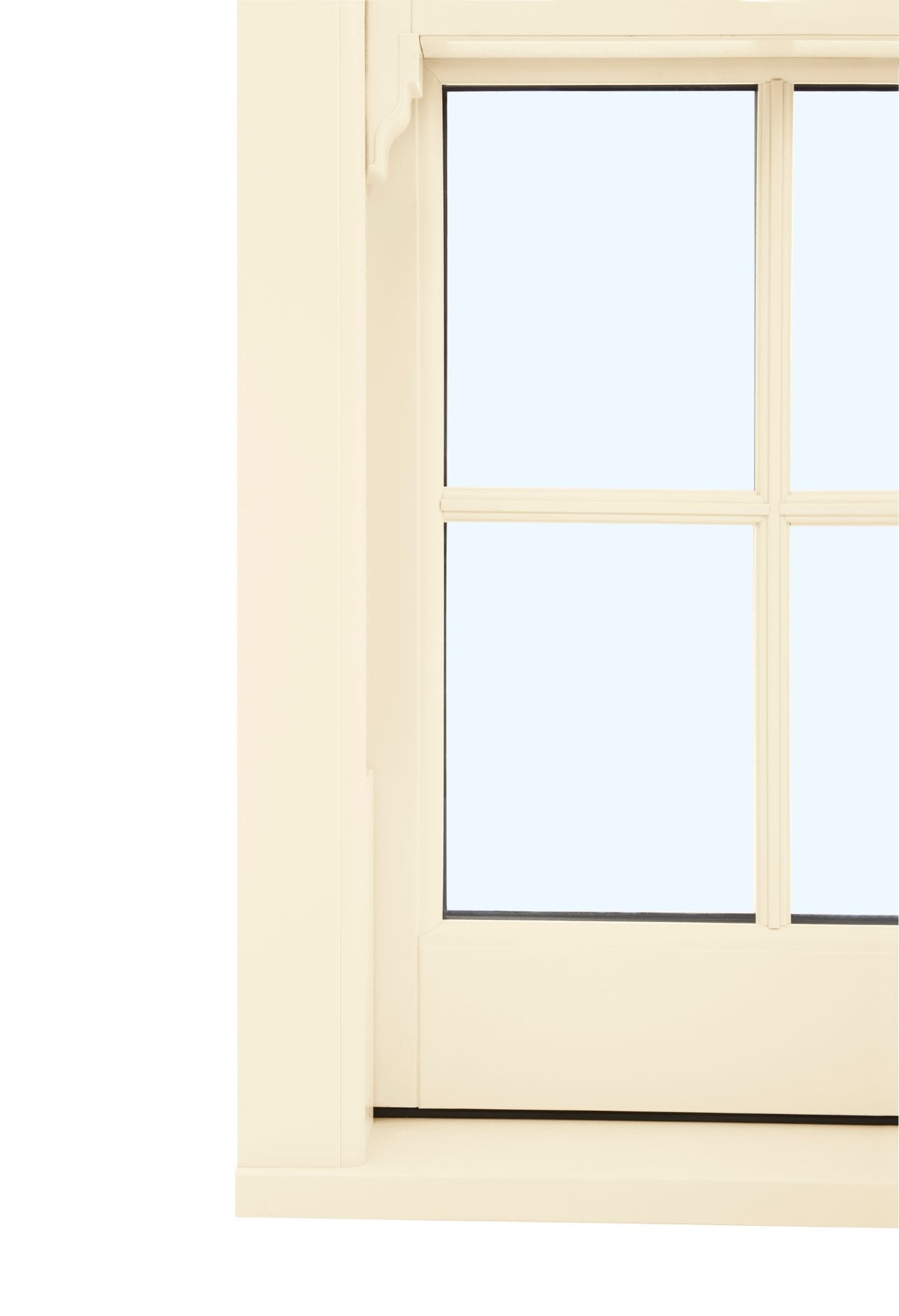
- VEKA Imagine Vertical Slider: 146mm outer frame, slim 50mm and 64mm sashes, 105mm deep bottom rail, sashes up to 1400mm × 2450mm
- Both sashes slide and tilt: clean the outside glass from inside, no ladders on a three-storey tenement
- Horns: run-through, clip-in or none
- Georgian and astragal bars to match the original glazing pattern
- Three cill options: 85mm stub cill for a minimal look or where there’s an existing stone cill, 150mm standard cill for most homes, and a 225mm large cill for a deeper, more traditional projection, to suit the stonework
- Heritage hardware: ERA and Fab&Fix cam locks, sash eyes, knobs and pulls in eight finishes, matching the rest of the house
- Colours: white, cream, Chartwell green, anthracite, black and woodgrain foils; 27 combinations ex-stock, dual colour inside and out
- Glazing: A-rated double glazing as standard; triple, acoustic, obscure and safety glass; integrated blinds in double glazed units
- Any shape: arched-head sashes and unusual openings made to measure
- Trickle vents optional, recommended
- Performance: U-values as low as 1.2 W/m²K, PAS 24 approved, Class 4 air permeability, Class 7A water tightness
Areas we cover in Glasgow
If you’re not listed, ask, we cover the whole of Greater Glasgow.
Sash window cost in Glasgow
Sash windows cost more than casements because of the sliding gear and the detailing. A whole tenement flat is typically three to five windows; a villa considerably more. Mechanically jointed adds a little to welded.
Sash windows start from £825 per window, fully fitted, including VAT. One fair, fixed price after a free home survey. No countdown discounts, no pressure.
No appointment needed
Sash windows on display, plus welded and mechanically jointed corner samples to compare. Bring a photo of your windows. No appointment needed.
NuView Glasgow
34 Houston Street, Kinning Park Industrial Estate, Glasgow G5 8RS
0141 378 6400 · info@nu-view.co.uk
Mon, Tue, Thu 9am to 4:30pm · Fri 9am to 3:30pm · Closed Wednesday and weekends
Kinning Park subway station is a short walk away.
Get directions → Glasgow showroom →Take a closer look at home
Browse the full range, colours and options at your own pace – then come and see it for real in our Glasgow or Stirling showroom.
Your questions answered
Can I replace the sash windows in my tenement flat without the neighbours?
Yes. Individual flats replace windows all the time. If the building is factored, check the deed of conditions, some require matching styles across the close, which we can advise on.
Do I need planning permission in Glasgow?
Only in conservation areas and for listed buildings. Glasgow City Council has specific guidance on replacement windows in conservation areas; we’ll tell you what’s likely to be accepted before you apply.
Can you match the original horns and glazing bars?
Yes. Bring a photo to the showroom and we’ll lay them out to match.
Do you work with factors?
Yes, regularly. We can survey a whole close and quote per flat.
Why do windows get condensation, and will new windows stop it?
Condensation forms when warm, moist air inside the house meets a cold surface. Cooking, showers, drying washing and even breathing put litres of water into the air every day, and old single or early double glazing is usually the coldest surface in the room, so that’s where it collects. New A-rated windows are much warmer on the inside, so condensation drops dramatically, but it can still appear, especially in the first winter. That’s because new windows are far more airtight than the ones they replace, so the moisture that used to escape through the gaps now stays in the house. The fix is ventilation, not the windows: use extractor fans, open trickle vents, and air rooms briefly each day. One more thing that catches people out: condensation on the outside of new glass on cold mornings is a good sign. It means the low-E coating is keeping heat inside so the outer pane stays cold, and it clears as the day warms. Condensation between the panes, on the other hand, means the sealed unit has failed and is covered under guarantee.
How long does a tenement flat take?
Usually a day for a typical flat. Our own team handles access and makes good internally.
Will the windows still slide?
Yes, both sashes slide on spring balances and tilt inwards for cleaning.
Related pages
Get a free, no-obligation quote
Tell us about your property and we’ll be in touch within one working day.
Request My Free Quote →