
Triple Glazed Windows: Warmer, Quieter, and Honest Advice on Whether You Need It
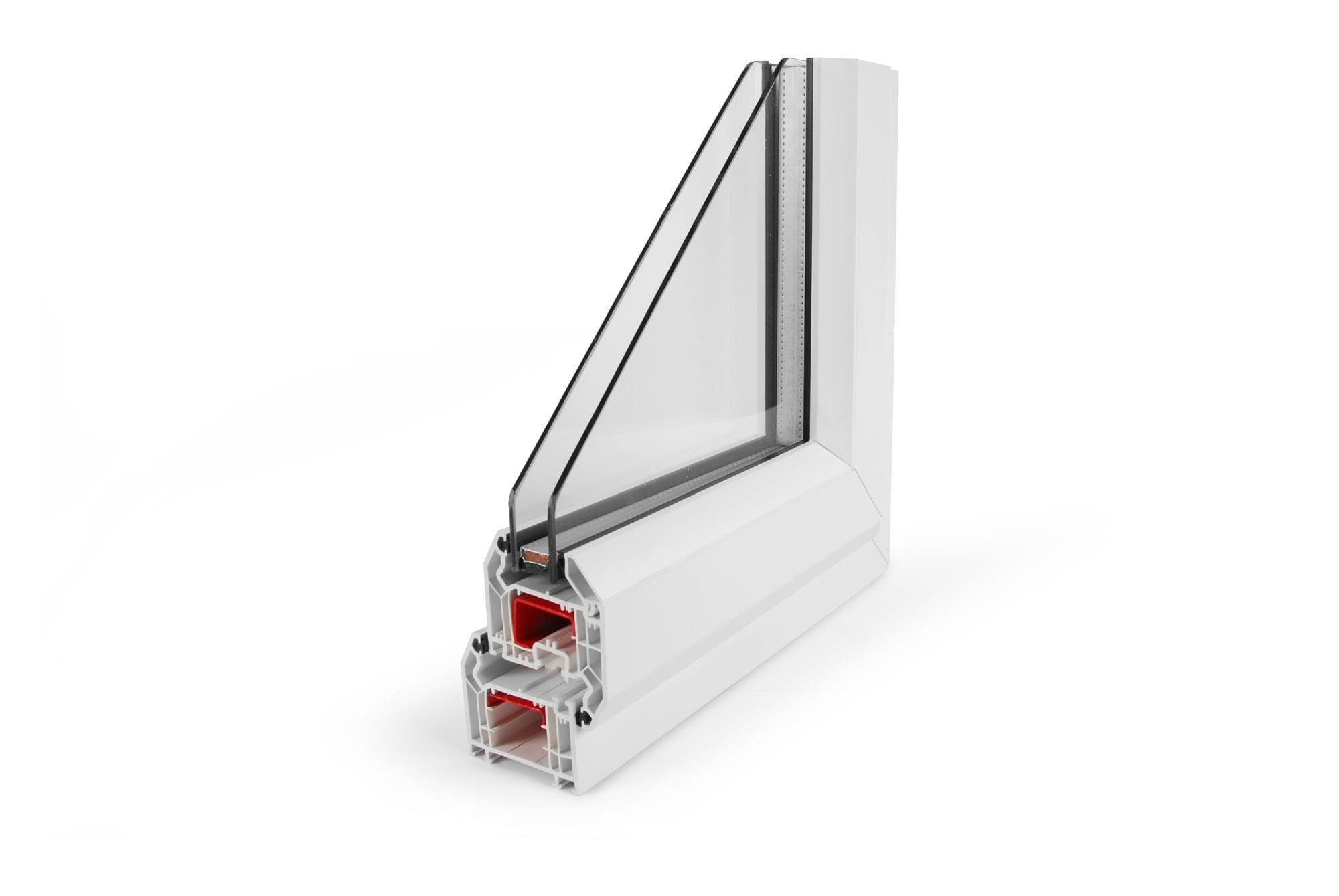
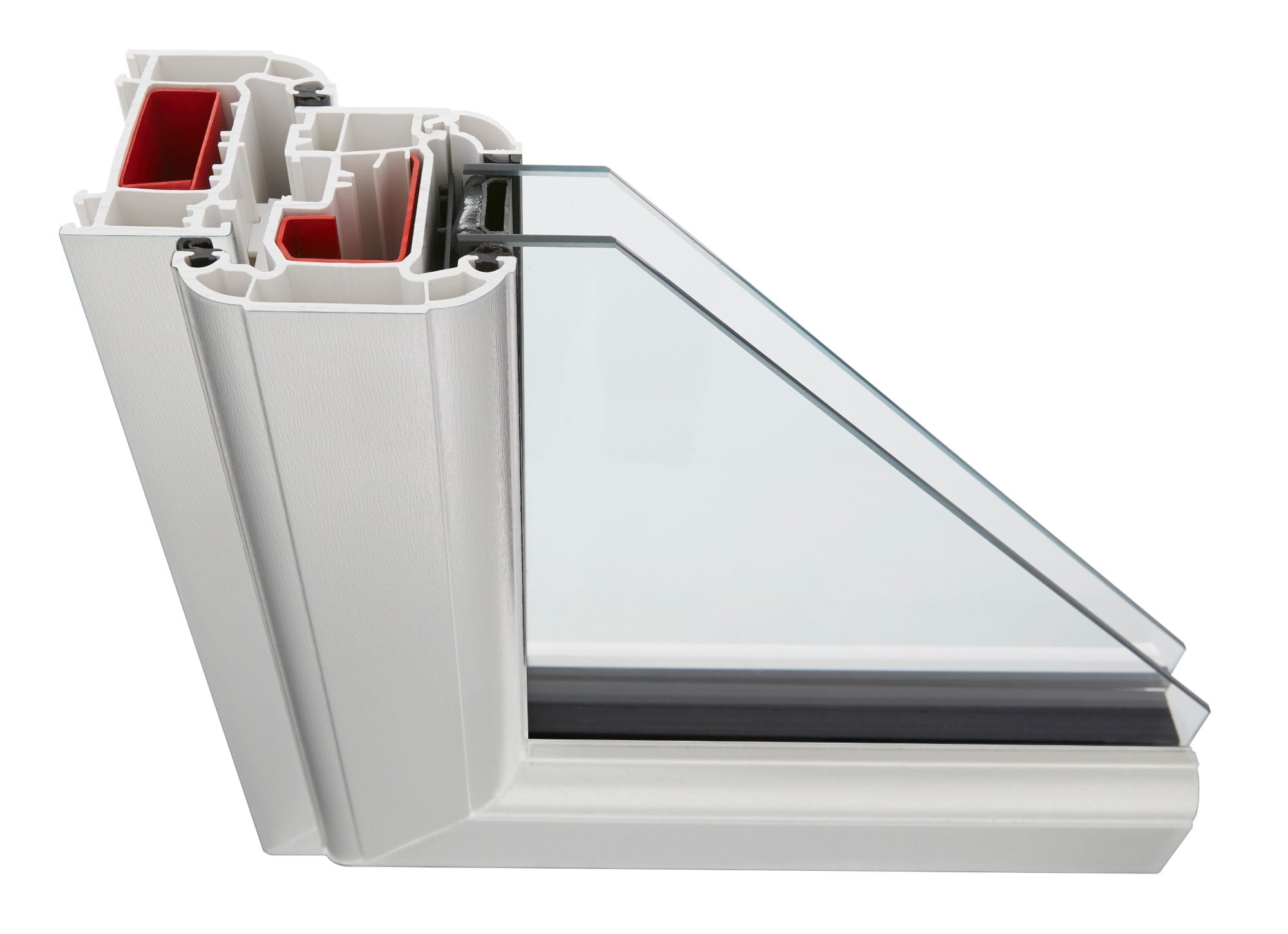
Triple glazing adds a third pane of glass and a second sealed cavity. The result is a window that loses noticeably less heat than double glazing, cuts noise a little further, and all but eliminates the cold spot next to the glass on a January night.
It isn’t right for everyone, and we’ll tell you when double glazing is the better spend. But for exposed sites, north-facing rooms, rural properties and anyone who wants the warmest house possible, triple glazing is the upgrade that makes the biggest difference. We fit it across our uPVC and aluminium window range, in Glasgow, Stirling and across Scotland, installed by our own team.
Built for a Scottish winter
Less heat loss
A good triple glazed window achieves a U-value of around 0.8 W/m²K, against roughly 1.2–1.4 for A-rated double glazing: around a third less heat lost through the glass.
No cold spots
The inner pane stays close to room temperature, so there’s no chill radiating off the window and far less condensation on the glass.
Quieter
The extra pane and cavity reduce noise a little further than double glazing. If noise is the main problem, acoustic glazing does more.
Ahead of the regulations
Scottish building standards keep tightening on energy. Triple glazing puts you well ahead of them.
Is triple glazing worth it? Our honest view
Worth it if:
- Your house is exposed, elevated or rural: Stirlingshire, the Campsies, the Trossachs, the Clyde coast
- You have north-facing rooms that never feel warm
- You’re replacing single glazing or very old double glazing, and want to do it once
- You suffer condensation on the inside of the glass
- You’re building or extending and want the best fabric performance
Probably not worth it if:
- You’re in a sheltered, urban location with modern A-rated double glazing already
- Noise is the main problem: acoustic double glazing will do more for less
- The budget is tight and the frames are the priority: A-rated double glazing in good frames is already excellent
We’ll give you both prices and let you decide. No pressure either way.
Triple glazing across our range
- VEKA uPVC casement, flush sash, tilt and turn and sash windows: the frames are designed for the extra weight and depth
- VEKA OMNIA (coming soon): the double-flush suite, triple glazed
- Sheerline and Cortizo aluminium windows: slim frames, triple glazed
- Doors: ask us about triple glazing on bifold, patio and French doors for large glazed walls
Triple vs double vs acoustic: which glass for which problem?
| Your priority | Best choice |
|---|---|
| Warmth and lower bills | Triple glazing |
| Traffic, rail or aircraft noise | Acoustic double glazing |
| Both warmth and noise | Triple glazing with an acoustic laminated pane |
| Best value on a sheltered site | A-rated double glazing |
Standard double glazing typically cuts outside noise by 30–35 dB; acoustic glazing typically achieves 40–45 dB, and every 10 dB is roughly a halving of perceived noise. Triple glazing on its own sits between the two for noise; it’s the thermal performance where it wins.
Options
- Integrated blinds: not available in triple glazed units; if you want blinds inside the glass, choose double glazing
- Obscure glass for bathrooms
- Solar control for large south-facing panes
- Low-iron glass for the clearest view through three panes
- Cill options: 85mm stub, 150mm standard or 225mm large
- Trickle vents: optional, recommended
- Any shape or size: arched, circular and shaped windows can be triple glazed
What does triple glazing cost in Scotland?
Triple glazing adds just £90 per window, including VAT. The frames are the same as double glazed, so you’re only paying for the extra pane and a heavier sealed unit. On a typical three-bedroom semi that’s a few hundred pounds for a noticeably warmer house, with the payback coming through lower heating bills and comfort.
We give you one fair, fixed price after a free home survey, and we’ll quote double and triple side by side so you can see the difference.
Read our guide: Energy Efficient Windows and Doors in Scotland →
Why windows condensate, and why new windows don’t always cure it
We get asked this more than almost anything else, so here’s the honest answer.
Inside condensation. Warm air holds moisture; cold surfaces make it drop out as water. A family home produces litres of moisture a day from cooking, showers, drying clothes and breathing. It settles on the coldest surface in the room, and with old windows that’s the glass.
New windows help, a lot. A-rated double glazing keeps the inside pane close to room temperature, and triple glazing warmer still, so there’s far less cold surface for moisture to condense on. Most customers see condensation all but disappear.
But it can still happen. New windows are much more airtight than the ones they replace. The moisture that used to leak out through gaps and rattling frames now stays in the house. If the ventilation doesn’t change, the moisture finds the next coldest surface: the bottom corner of the glass, a cold external wall, or behind furniture. That’s not a fault with the windows; it’s a sign the house needs to breathe differently.
What actually fixes it. Trickle vents (we recommend them for exactly this reason), extractor fans in kitchens and bathrooms, a short airing of rooms each day, and not drying washing on radiators without a window open.
Condensation on the outside. On cold, still mornings you may see mist on the outside of new A-rated or triple glazed windows. This is a good sign. The low-E coating is keeping heat indoors, so the outer pane stays cold enough for dew to form. It clears as the morning warms.
Condensation between the panes. This is the one that isn’t normal. It means the sealed unit has failed and moisture has got inside. Our sealed units are guaranteed, and we replace them.
No appointment needed
Ask the team to talk you through double, triple and acoustic glazing, and bring a photo of your house.
Glasgow Showroom
34 Houston Street, Kinning Park, Glasgow G5 8RS
0141 378 6400 · info@nu-view.co.uk
Mon, Tue, Thu 9am to 4:30pm · Fri 9am to 3:30pm · Closed Wednesday and weekends
Glasgow showroom →Stirling Showroom
Block 4, Unit 6, 20 Munro Road, Springkerse, Stirling FK7 7UU
01786 437 209 · info@nu-view.co.uk
Mon to Thu 9am to 4:30pm · Fri 9am to 3:30pm · Closed weekends
Stirling showroom →Take a closer look at home
Browse the full range, colours and options at your own pace – then come and see it for real in our Glasgow or Stirling showroom.
Your questions answered
How much warmer is triple glazing?
Around a third less heat loss through the glass than A-rated double glazing, and the inner pane stays close to room temperature, so the room feels warmer than the thermostat suggests.
How much extra does triple glazing cost?
£90 per window including VAT, on top of the double glazed price. We’ll quote both so you can compare.
Will triple glazing stop condensation?
It makes the biggest single difference to condensation on the glass, because the inner pane stays close to room temperature. But if the house is producing more moisture than it’s venting, some will still find the next coldest surface. See the section above.
Is triple glazing heavier?
Yes, which is why the frames matter. VEKA, Sheerline and Cortizo frames are all designed to carry triple glazed units.
Does triple glazing stop noise?
It helps, but acoustic glazing helps more. If noise is your main concern, ask us about acoustic glass, or combine the two.
Can I have integrated blinds with triple glazing?
No, integrated blinds are only available in double glazed units.
Is triple glazing standard in Scotland?
Not yet, but Scottish building standards are among the strictest in the UK on energy, and triple glazing is increasingly specified on new builds.
Do you fit triple glazing outside Glasgow and Stirling?
Yes, across Scotland including Falkirk, Lanarkshire, Dunbartonshire, Renfrewshire and Perthshire.
Related pages
Get a free, no-obligation quote
Tell us about your property and we’ll be in touch within one working day.
Request My Free Quote →