Energy Efficient Windows and Doors in Scotland: The Complete Guide
In the Scottish climate, energy efficient windows and doors are not a luxury, they are one of the most effective ways to keep your home warm, cut your heating bills, and improve everyday comfort. Yet the labels, ratings, and numbers involved can be confusing. What is a U-value? What does an A++ rating actually mean? How much will you really save? This guide explains energy efficiency clearly and honestly, so you can understand exactly what you are buying and choose windows and doors that perform in a Scottish winter.
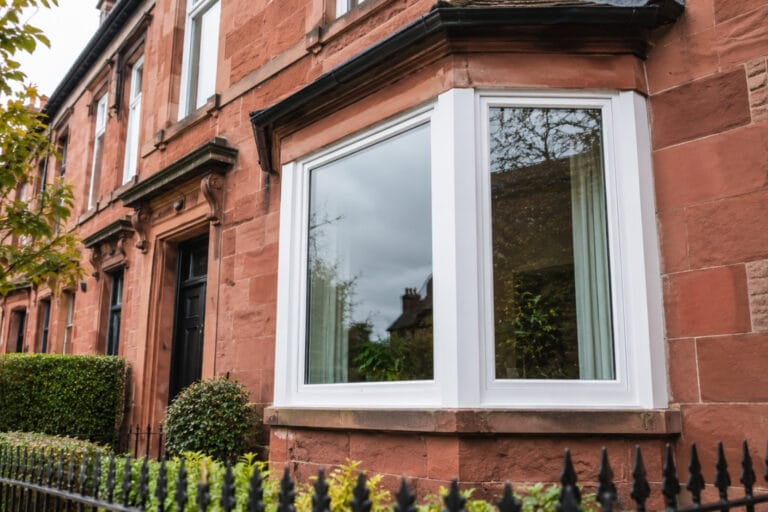
Our A-rated uPVC windows start from £550 fully fitted including VAT. See our uPVC windows →
Why energy efficiency matters more in Scotland
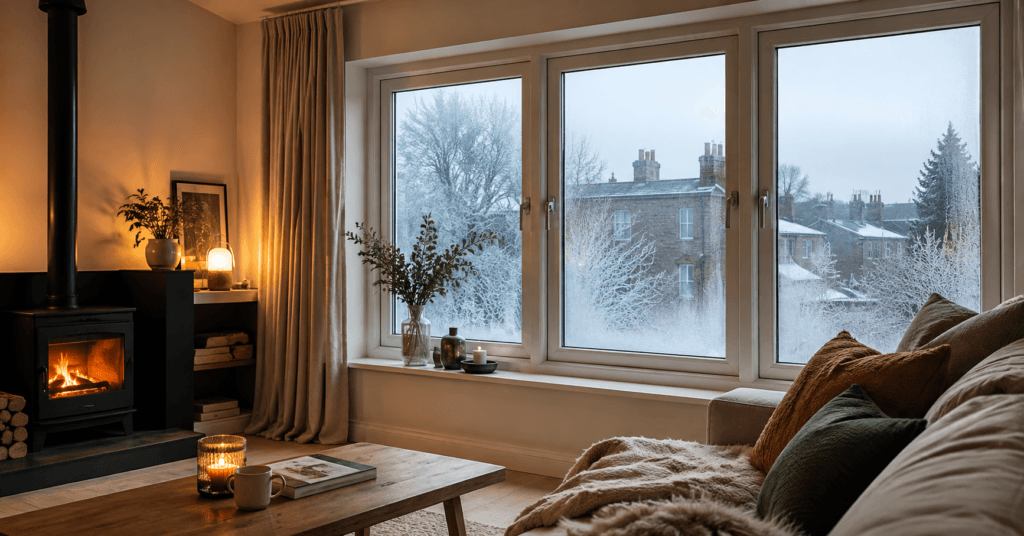
Scotland’s climate is colder, wetter, and windier than most of the UK, and the heating season is longer. That means heat loss through windows and doors has a bigger impact here than almost anywhere else in the country. Older or poorly performing windows can account for a significant share of a home’s total heat loss, which goes straight onto your energy bills and leaves rooms cold and draughty. Investing in energy efficient windows and doors delivers a bigger return in the Scottish climate precisely because the weather demands more of them.
What is a U-value?
The U-value is the single most important number in window and door energy efficiency. It measures how much heat passes through the window or door, expressed in watts per square metre per degree (W/m²K). The lower the U-value, the less heat escapes, and the better the thermal performance.
To put it in context: old single glazing has a U-value of around 5.0, which is very poor. Standard modern double glazing typically achieves around 1.4 to 1.6. High-performance double glazing can reach 1.2 or lower, and triple glazing can go below 1.0. When comparing windows, the U-value is the figure to focus on, because it tells you directly how well the window keeps heat in. Lower is always better.
Window Energy Ratings (WER): the A++ to E scale
Alongside U-values, windows are given a Window Energy Rating (WER), a simple banded scale that works much like the energy label on a fridge or washing machine. It runs from A++ at the top down to E, giving an at-a-glance measure of overall energy performance.
The rating takes into account not just heat loss but also solar gain (useful heat from sunlight coming in) and air leakage. For a Scottish home, aiming for an A rating or higher is a sensible benchmark, with A+ and A++ offering the best performance. Most reputable modern windows achieve at least an A rating as standard. The WER is a helpful quick comparison, but for a true technical picture the U-value is the more precise measure.
How much can energy efficient windows actually save?
This is the question most homeowners really want answered, and it deserves an honest answer. The saving depends on what you are replacing, the size and number of windows, how you heat your home, and energy prices. Replacing genuinely old or failing single glazing with modern energy efficient windows produces the most dramatic difference, both in bills and in comfort. Upgrading already-decent double glazing to a higher specification produces a smaller saving, though still a worthwhile gain in comfort and reduced draughts.
It is worth being realistic: new windows are a long-term investment that pays back gradually through lower bills and a warmer home, not an overnight halving of your heating costs. The comfort improvement, the elimination of draughts, and the reduction in condensation are often valued by homeowners just as much as the pound-and-pence saving. Over the lifetime of the windows, the cumulative saving is substantial.
What makes a window energy efficient?
Several components work together to determine how energy efficient a window is:
- The glazing: double or triple glazed sealed units, ideally with a low-emissivity (low-E) coating that reflects heat back into the room.
- The gas fill: the gap between panes is usually filled with argon gas, which insulates better than air.
- Warm-edge spacer bars: the spacer separating the panes, made from a low-conductivity material to reduce heat loss at the edges.
- The frame: the frame material and construction matter, with insulated uPVC and thermally broken aluminium frames performing strongly.
- The seals and installation: even the best window loses performance if poorly sealed or badly fitted, which is why professional installation is essential in the Scottish climate.
Double glazing vs triple glazing in Scotland
Triple glazing adds a third pane and a second insulating gas gap, achieving lower U-values than double glazing. In a cold climate like Scotland’s, it can make sense, particularly for exposed properties or rooms that struggle to stay warm. However, high-quality double glazing already performs very well and is more cost-effective for most homes. Triple glazing costs more, is heavier, and the additional saving over good double glazing is smaller than many expect. For most Scottish homes, well-specified A-rated double glazing is the sensible choice, with triple glazing worth considering for very exposed locations or new-build standards of insulation.
Do not forget the doors
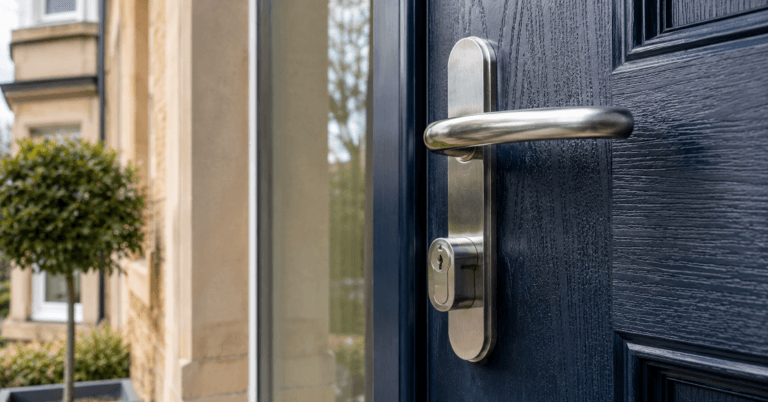
Windows get most of the attention, but doors matter too. A modern composite door has an insulated core, typically a solid foam interior, that gives it excellent thermal performance, far better than an old timber or single-glazed door. uPVC and aluminium doors with quality glazing and thermal breaks also perform well. When improving your home’s energy efficiency, upgrading a draughty, poorly insulated front or back door delivers a noticeable difference in comfort, especially in hallways and rooms next to external doors.
NuView’s energy efficient range
At NuView, energy efficiency is built into our windows and doors as standard, specified for the demands of the Scottish climate. Our windows achieve strong U-values and high Window Energy Ratings, with low-E glazing, argon fill, and warm-edge spacers, and our composite doors feature highly insulated cores for excellent thermal performance.
The best way to understand the difference is to see and feel it. Explore our uPVC windows in Glasgow and composite doors in Glasgow, or contact us for honest advice and a free survey across Glasgow, Stirling and Scotland.
Frequently asked questions
What is a good U-value for windows in Scotland?
For the Scottish climate, aim for a U-value of 1.4 W/m²K or lower for double glazing, with 1.2 or below being very good. Triple glazing can achieve below 1.0. The lower the U-value, the less heat escapes. Old single glazing sits around 5.0, which is why replacing it delivers such a noticeable improvement in warmth and bills.
What does an A++ window rating mean?
A++ is the top band of the Window Energy Rating (WER) scale, which runs from A++ down to E. It indicates the highest level of overall energy performance, taking into account heat loss, solar gain, and air leakage. For a Scottish home, an A rating or higher is a sensible benchmark, with A+ and A++ offering the best efficiency. Most quality modern windows achieve at least an A rating.
Is triple glazing worth it in Scotland?
Triple glazing achieves lower U-values than double glazing and can make sense for exposed properties or particularly cold rooms. However, high-quality A-rated double glazing already performs very well and is more cost-effective for most homes. The extra saving from triple glazing over good double glazing is smaller than many expect, so it is worth weighing the additional cost against the modest efficiency gain.
How much can I save with energy efficient windows?
The saving depends on what you are replacing, the number and size of windows, how you heat your home, and energy prices. Replacing old single glazing produces the biggest difference in both bills and comfort. Upgrading existing double glazing gives a smaller saving. New windows are a long-term investment that pays back gradually through lower bills, a warmer home, fewer draughts, and less condensation.
Do energy efficient doors make a difference?
Yes. A modern composite door has an insulated core that gives it excellent thermal performance compared with an old timber or single-glazed door. Upgrading a draughty, poorly insulated external door delivers a noticeable improvement in comfort, particularly in hallways and rooms next to external doors. Doors are an often-overlooked part of a home’s overall energy efficiency.
What makes a window energy efficient?
Several elements work together: double or triple glazing with a low-emissivity coating, argon gas filling the gap between panes, warm-edge spacer bars, an insulated frame such as uPVC or thermally broken aluminium, and quality seals with professional installation. A window is only as efficient as its weakest component, which is why specification and fitting both matter.
Compare the options side by side: uPVC windows → or composite doors →