
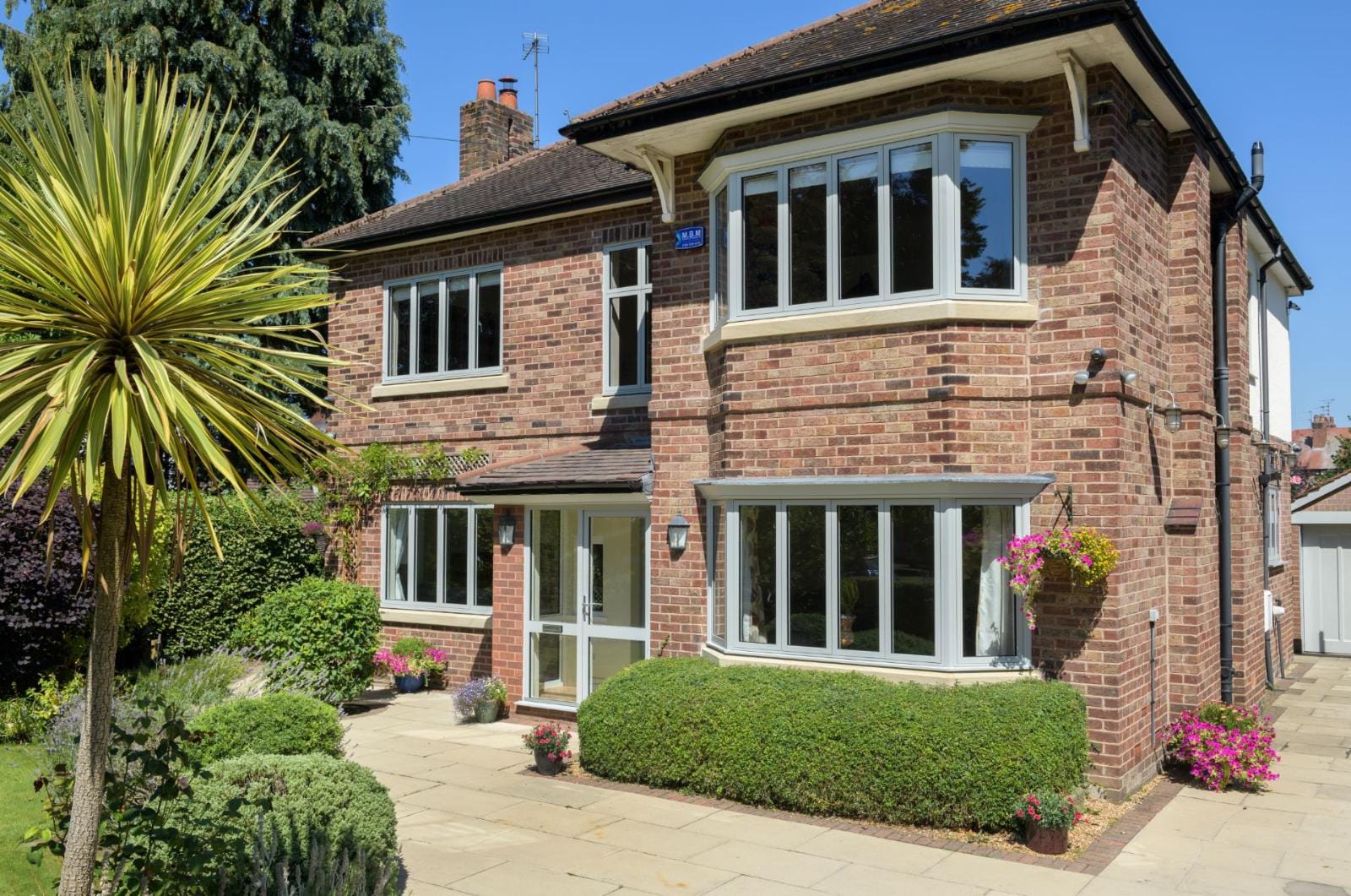
Aluminium Casement Windows: Slim Frames, More Glass, Any Colour
Aluminium is the window of choice for contemporary homes, extensions and anyone who wants the slimmest possible frame around the biggest possible pane. It’s stronger than uPVC, so the frames can be narrower; it holds a powder-coated colour for decades; and modern thermally broken profiles have closed the gap on warmth.
Near you: Aluminium windows in Glasgow → · Aluminium windows in Stirling →
We fit two leading aluminium systems, Sheerline, designed and made in Britain, and Cortizo, supplied and installed by our own team across Glasgow, Stirling and Scotland. Come and compare aluminium and uPVC frames side by side in the showroom.
Slimmer frames, more glass, colour that lasts
Slimmer sightlines
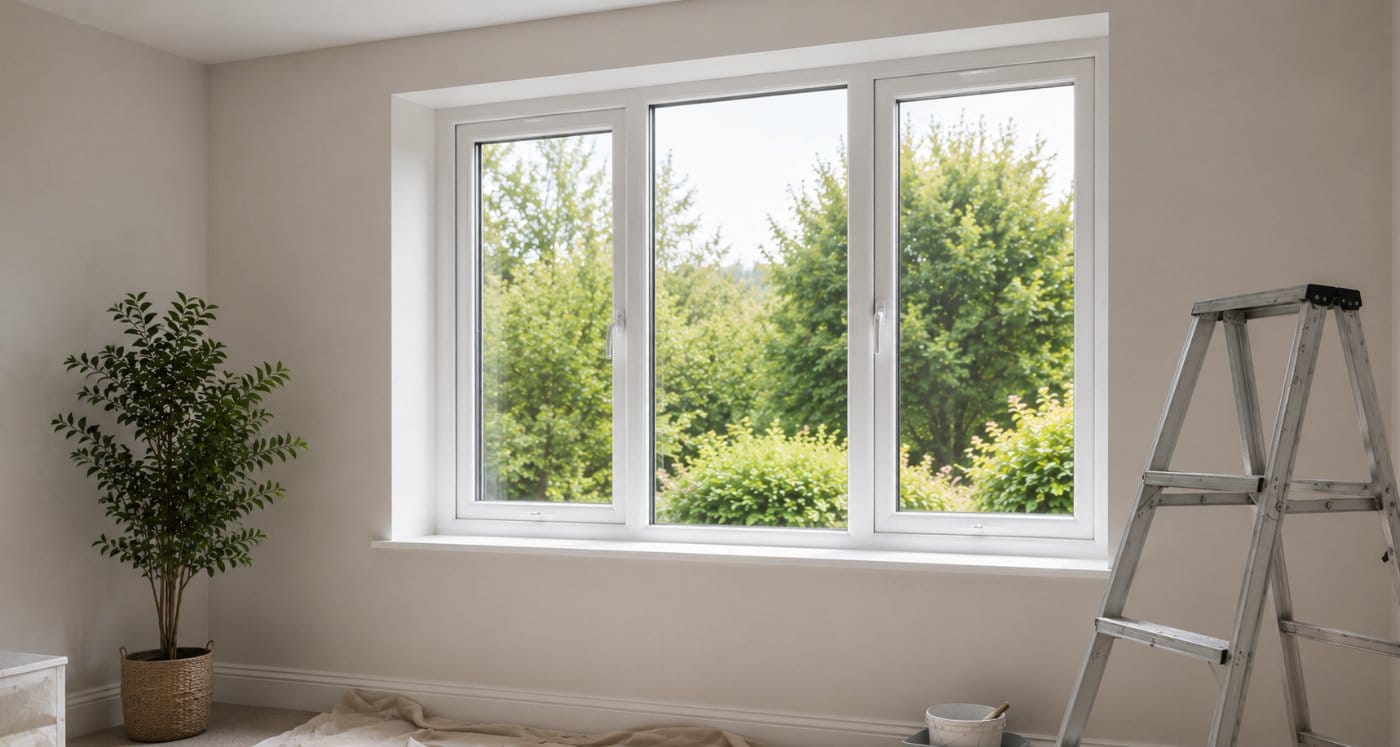
Aluminium frames are considerably slimmer than uPVC, so you get more glass, more light and a cleaner look, especially on large openings.
Strength
Aluminium carries big, heavy, triple glazed panes without flexing or dropping, which is why it’s the choice for wide windows and glazed gables.
Colour that lasts
Powder-coated in any RAL colour, in matt, satin or gloss, with dual colour inside and out. The finish won’t fade, chalk or need repainting.
Long life, low maintenance
Aluminium won’t rot, warp or corrode. A wipe down is all it needs.
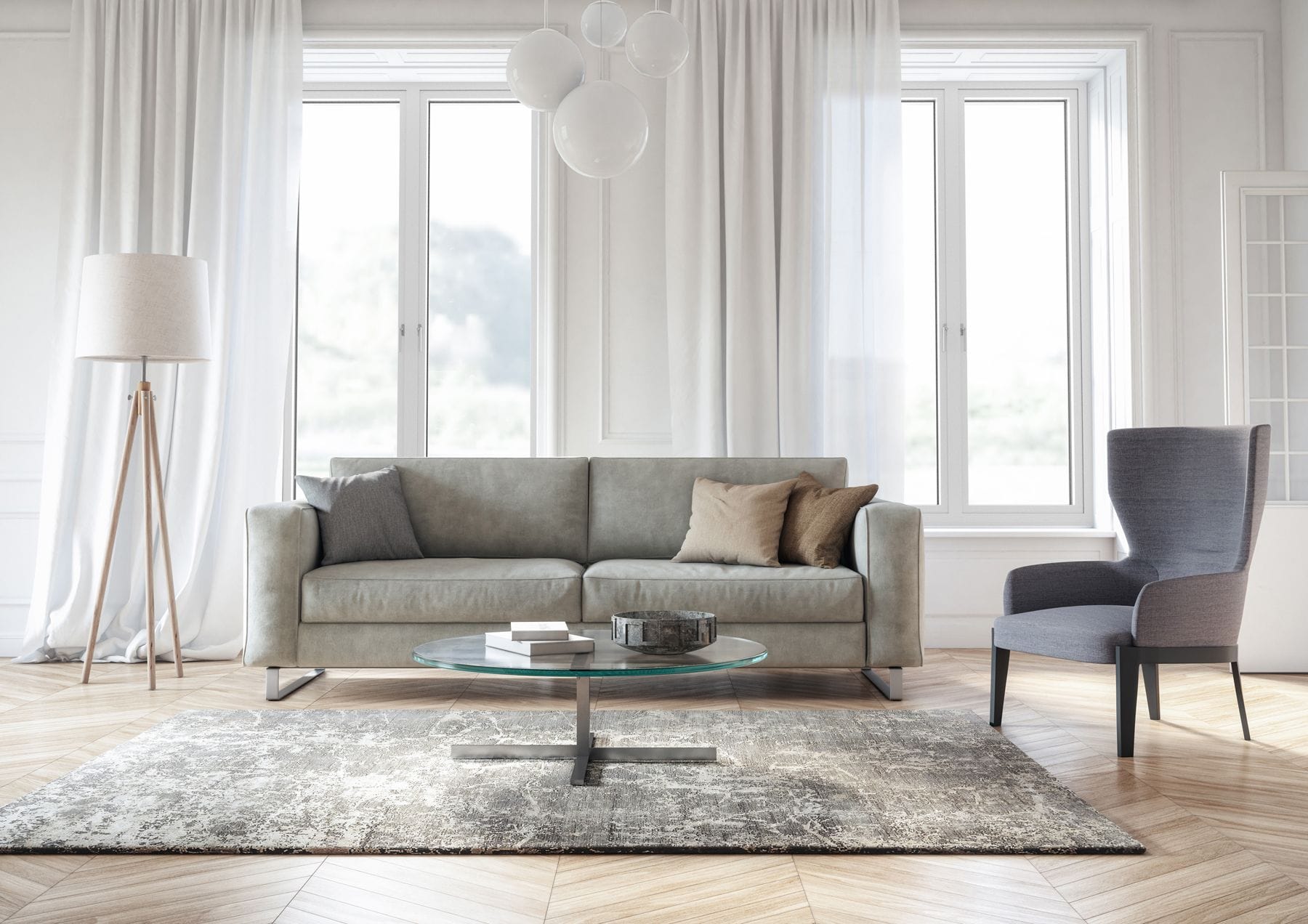
Thermally broken
A polyamide break inside the profile stops cold bridging, so today’s aluminium windows are A-rated and meet Scottish building standards.
Secure by design
Multi-point locking as standard, and internally glazed so the glass can’t be removed from outside.
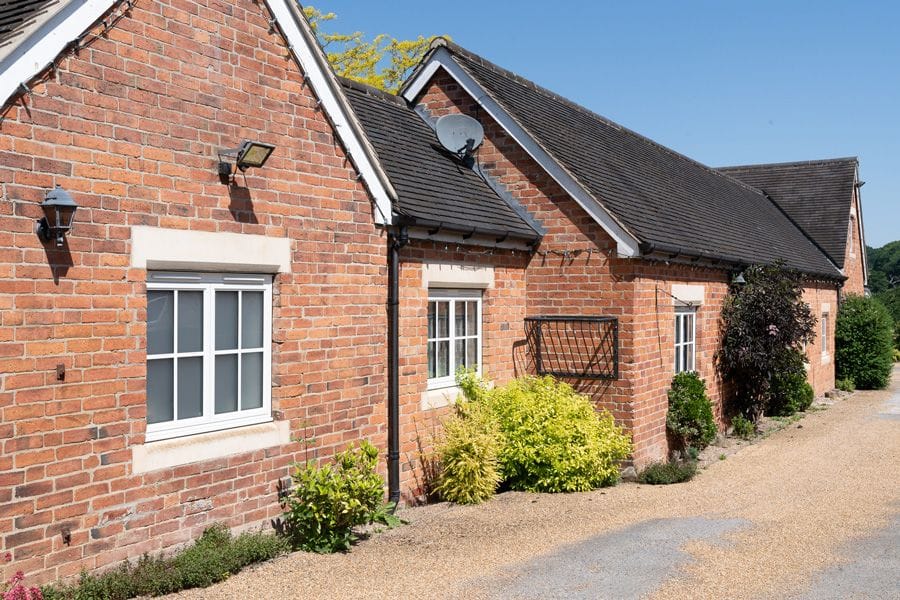
The systems we fit
Sheerline A slim, secure, thermally broken casement designed and made in the UK. It comes in matching styles across windows, bifolds, patio doors and roof lanterns, so a whole extension coordinates exactly.
Cortizo Hidden Sash Cortizo’s hidden-sash casement. The sash is concealed within the outer frame when closed, so from outside every window looks like a fixed pane with identical sightlines, whether it opens or not. It matches Cortizo bifold and sliding doors.
Bring a photo of your house to the showroom and we’ll talk you through both systems.
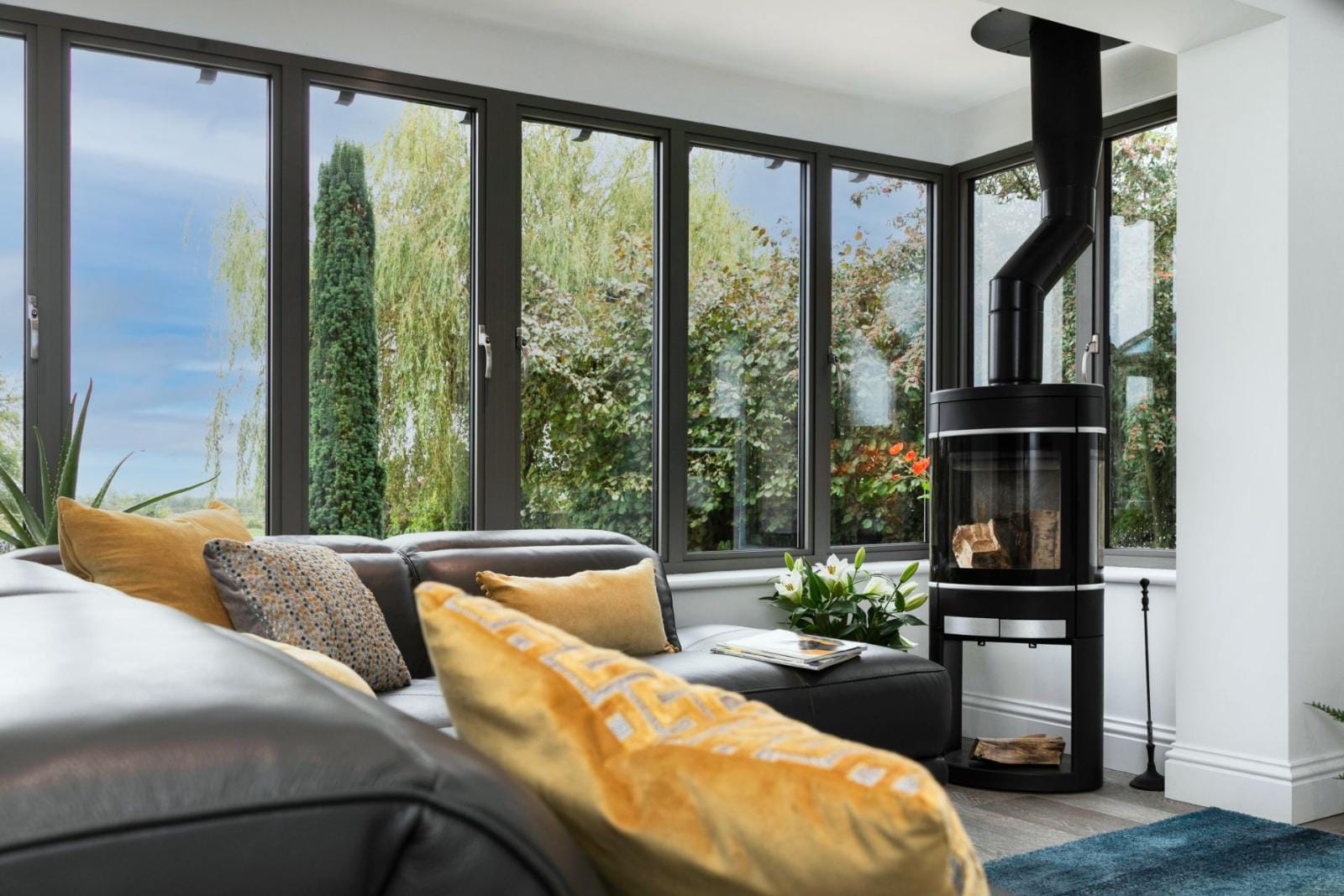
Styles and options
- Casement: side-hung and top-hung openers, with fixed lights in any combination
- Tilt and turn: for upper floors and easy cleaning
- Hidden sash / flush: identical sightlines on fixed and opening panes
- Large formats: single panes and glazed gables far bigger than uPVC can manage
- Bays: aluminium bay and bow windows
- Any shape or size: arched, circular, triangular and raked windows for gables and feature walls
- Glazing bars: slim internal or applied bars for a heritage look
- Colours: any RAL colour; anthracite grey, black, white, and slate greys are the most popular; textured and metallic finishes available; dual colour inside and out
- Hardware: contemporary lever handles in matching or contrasting finishes
Cill options
The cill is the shelf the window sits on outside, and it changes the look of the whole elevation more than most people expect. We offer three.
Stub cill
The slimmest option. Used where the original stone or concrete cill is staying and the window simply sits on top of it, or where you want the frame to look as minimal as possible.
Standard cill
The everyday choice for most Scottish homes. Enough projection to throw rain clear of the wall, with a clean, proportionate look.
Large cill
A deep cill for a stronger, more traditional line. Suits older properties, deep reveals and anywhere the window needs to stand out from the wall.
Drawn to scale: the dashed outlines show the other two sizes. On bays and runs of windows we weld the cill for one continuous line with no joins. The team will show you all three in the showroom.
Glazing options
A-rated double glazing comes as standard. Add any of these to suit the room, the road outside or building regulations.
Double glazing
A-rated, argon filled, low-E glass
Triple glazing
Aluminium frames are ideal for it
Acoustic glazing
Laminated acoustic glass for main roads and railways
Integrated blinds
Sealed inside the double-glazed unit (double glazing only)
Solar control
For large south- and west-facing panes
Obscure glass
For bathrooms
Safety glass
Toughened or laminated where required
Trickle vents
Optional, recommended
Not sure which glass?
Read our glazing guide →
Aluminium or uPVC?
Choose aluminium for slimmer frames, larger panes, contemporary styling, unlimited colour, and where the windows are matching aluminium bifolds, sliders or a roof lantern.
Choose uPVC for the best value on a standard house, the warmest performance per pound, and traditional styles like sliding sash. Our flush sash windows give a similar clean, flat look on a uPVC budget.
Many customers mix the two: aluminium on the extension and garden elevation, uPVC on the rest of the house, colour-matched so you can’t tell.
What do aluminium windows cost in Scotland?
Aluminium windows cost more than uPVC, and the frames are usually the biggest part of the difference. Price depends on the system, size, style, colour and glazing.
Aluminium windows start from £1,200 per window, fully fitted, including VAT. We give you one fair, fixed price after a free home survey. No countdown discounts and no pressure.
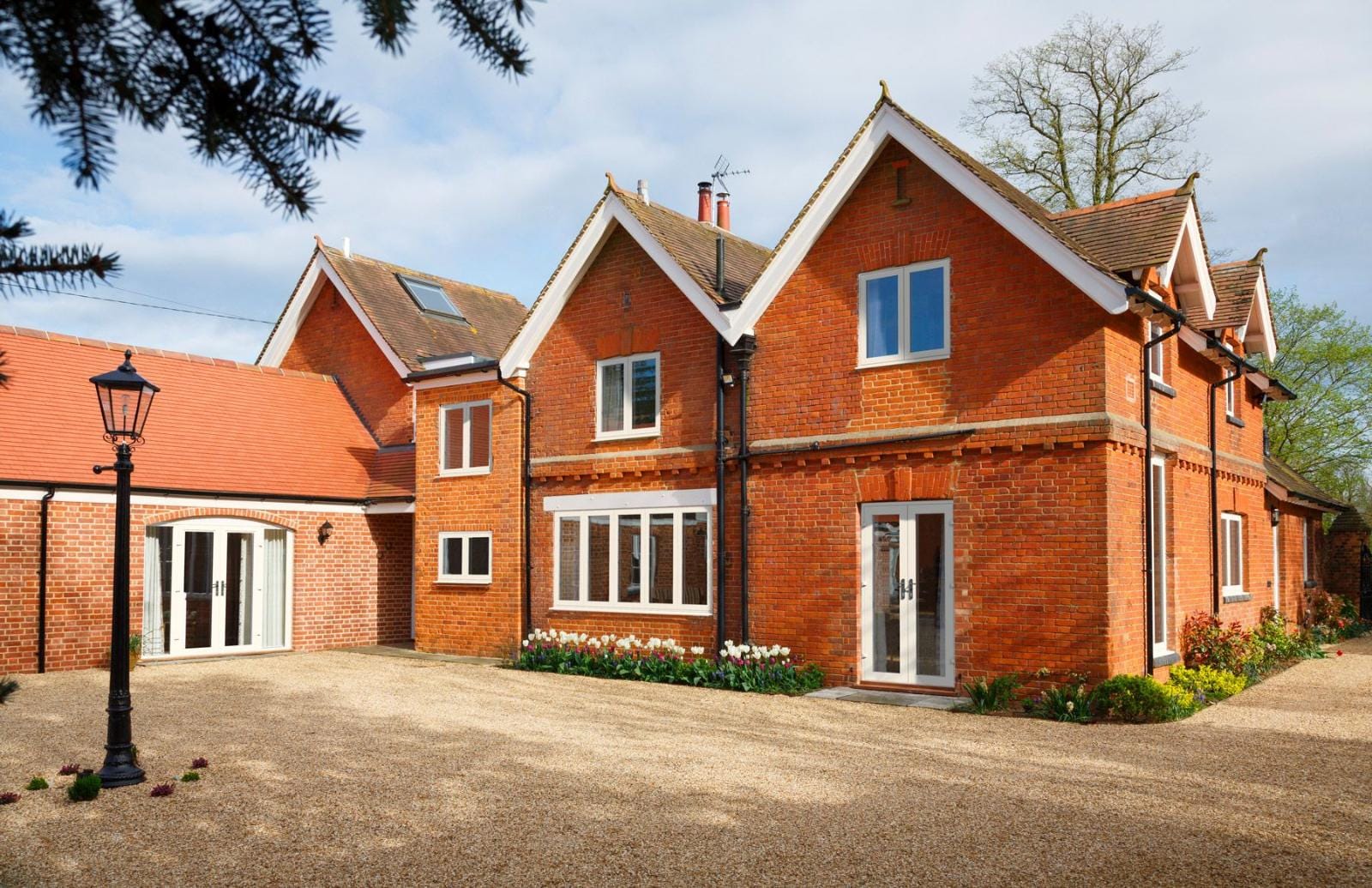
One system, one look
We don’t mix systems on a project. Sheerline windows, doors, bifolds, patio doors and roof lanterns share one profile family and one colour run; Cortizo windows, bifolds and sliders share another. Choose one brand for the whole extension and every frame matches edge to edge, no discrepancies in shape, sightline or shade. Handles and hardware are matched too, so the whole job looks like one design.
Our own dedicated fitters
Every job is surveyed, supplied and fitted by our own installers, uniformed, in NuView vans and exclusive to NuView. Never a subcontractor. The people who fit it are the people who answer for it afterwards.
One team, start to finish
Free survey, specification, installation and aftercare, all handled by NuView.
Rated 4.9 from 98 Google reviews
Real customers across Glasgow and Stirling. Read the reviews
A guarantee, part by part
Up to 10 years, written down. See what it covers
No appointment needed
See aluminium next to uPVC and compare the frames in person. No appointment needed.
Glasgow Showroom
34 Houston Street, Kinning Park, Glasgow G5 8RS
0141 378 6400 · info@nu-view.co.uk
Mon, Tue, Thu 9am to 4:30pm · Fri 9am to 3:30pm · Closed Wednesday and weekends
Glasgow showroom →Stirling Showroom
Block 4, Unit 6, 20 Munro Road, Springkerse, Stirling FK7 7UU
01786 437 209 · info@nu-view.co.uk
Mon to Thu 9am to 4:30pm · Fri 9am to 3:30pm · Closed weekends
Stirling showroom →Your questions answered
Are aluminium windows cold?
Not any more. Modern aluminium profiles are thermally broken and A-rated. The old reputation comes from single-glazed, non-thermal aluminium windows fitted in the 1970s and 80s.
Sheerline or Cortizo?
Sheerline is UK-made and matches Sheerline bifolds, sliders and lanterns exactly. Cortizo’s hidden-sash window gives identical sightlines on every pane. Both are excellent; we’ll help you choose in the showroom.
Can I match aluminium windows to my bifold doors?
Yes, Sheerline to Sheerline, Cortizo to Cortizo, in the same RAL colour, for a perfect match.
Does the powder coating last?
Yes. Powder coating is baked on, resists fading and chalking, and doesn’t need repainting.
Can you reduce traffic noise?
Yes. Standard double glazing typically cuts outside noise by 30–35 dB. Acoustic glazing typically achieves 40–45 dB, and because every 10 dB is roughly a halving of perceived noise, that’s the difference between hearing every passing car and barely noticing the road.
Why do windows get condensation, and will new windows stop it?
Condensation forms when warm, moist air inside the house meets a cold surface. Cooking, showers, drying washing and even breathing put litres of water into the air every day, and old single or early double glazing is usually the coldest surface in the room, so that’s where it collects. New A-rated windows are much warmer on the inside, so condensation drops dramatically, but it can still appear, especially in the first winter. That’s because new windows are far more airtight than the ones they replace, so the moisture that used to escape through the gaps now stays in the house. The fix is ventilation, not the windows: use extractor fans, open trickle vents, and air rooms briefly each day. One more thing that catches people out: condensation on the outside of new glass on cold mornings is a good sign. It means the low-E coating is keeping heat inside so the outer pane stays cold, and it clears as the day warms. Condensation between the panes, on the other hand, means the sealed unit has failed and is covered under guarantee.
Do you fit aluminium windows outside Glasgow and Stirling?
Yes, across Scotland including Falkirk, Lanarkshire, Dunbartonshire, Renfrewshire and Perthshire.
Related pages
Get a free, no-obligation quote
Tell us about your property and we’ll be in touch within one working day.
Request My Free Quote →