Choosing Windows for a Period Property in Scotland
Scotland has some of the most beautiful period housing in the UK, from Victorian sandstone villas and Georgian townhouses to traditional tenements and cottages. Choosing windows for a period property means balancing three things at once: keeping the character that makes the home special, meeting any planning rules that apply, and getting the modern comfort and efficiency you actually want to live with. Get it right and you preserve the charm while losing the draughts. This guide explains how.
Our uPVC sash and case windows keep the traditional look, from £825 fitted including VAT, with corner samples to compare in both showrooms. See our sash windows →
Why period properties need special consideration
The windows on a period home are a defining part of its character. The proportions, the glazing bar patterns, the way the frames sit within the stone – these details give the property its identity. Replace them insensitively and the whole facade can look wrong. Choosing windows for a period property is therefore as much about respecting the original design as it is about performance, which is not something a standard modern window off the shelf always achieves.
Check the rules before you start
Before choosing anything, find out what restrictions apply to your home. This is the single most important first step for any period property in Scotland.
- Listed buildings: if your property is listed, you will need listed building consent for window changes, and the material and style are usually tightly controlled – often requiring timber.
- Conservation areas: many Scottish period homes sit in conservation areas where permitted development rights may be restricted, so check with your local planning authority first.
- Tenement and shared buildings: in a traditional tenement, external changes can affect the shared appearance of the building and may need planning permission.
A quick call to your local council’s planning department before you commit saves a great deal of potential difficulty later.
Matching the original window style
Sympathetic replacement is the goal. When choosing windows for a period property, the details that matter most are the ones people notice without realising:
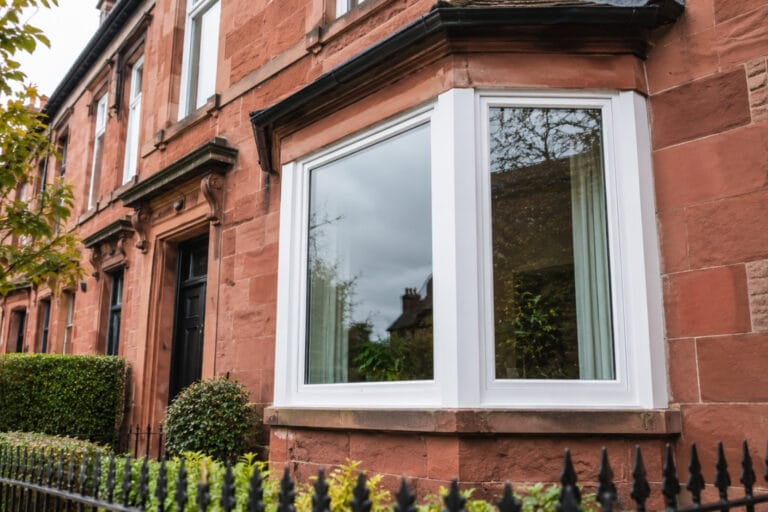
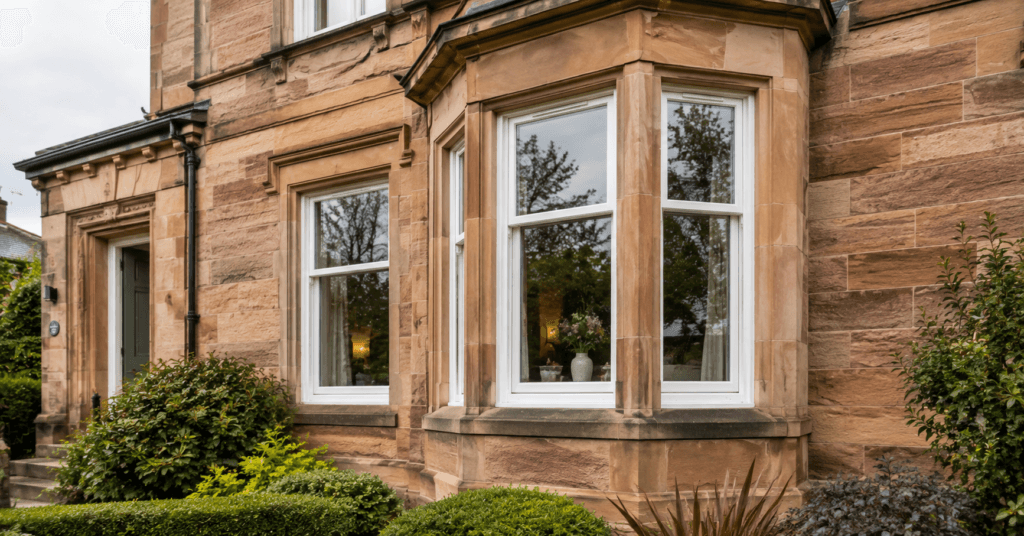
- Window style: a sash and case (vertical slider) home should get sash-style replacements, not casements, to keep the right look.
- Proportions and sightlines: slim frames and correct glazing bar patterns preserve the period feel, whereas chunky modern profiles look out of place.
- Colour and finish: traditional whites, heritage colours, and woodgrain finishes suit period homes far better than stark modern tones.
- Glazing bars: authentic astragal bars or applied glazing bars recreate the divided-light look of original windows.
Balancing heritage with performance
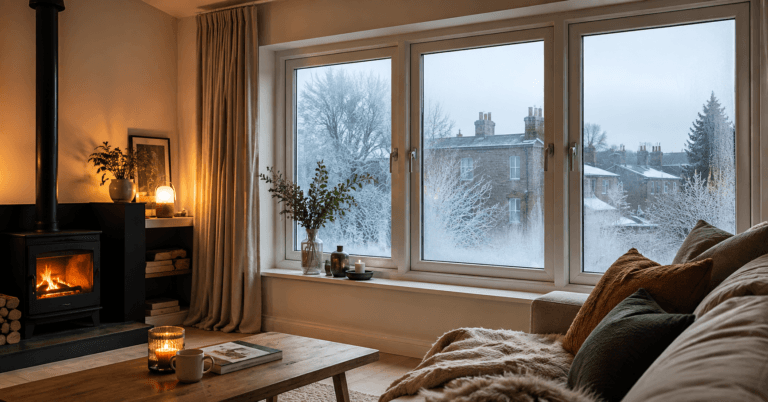
The good news is that you no longer have to choose between character and comfort. Modern window technology means you can have windows that look right for a period property while performing to contemporary standards. Where full double glazing is not permitted on a listed building, slim-profile double-glazed units or secondary glazing can dramatically improve warmth and reduce noise without altering the external appearance. Where more freedom is allowed, sympathetically styled uPVC or aluminium sash-style windows deliver heritage looks with modern thermal performance, low maintenance, and A-rated efficiency.
Which material is right for a period home?
The right material depends on the rules and the look you want:
- Timber is often required for listed properties and gives the most authentic finish, at the cost of ongoing maintenance.
- uPVC in a sash or flush casement style with a woodgrain finish offers a convincing period look with very low maintenance, suitable for many non-listed period homes.
- Aluminium suits period homes being given a more contemporary treatment, or for rear elevations where heritage constraints are looser.
Getting expert advice
Choosing windows for a period property is a decision worth getting right, because the character of the home depends on it. NuView has experience with traditional and period homes across Glasgow, Stirling and Scotland, and can advise on sympathetic styles that respect your property while delivering modern comfort. Explore our sash windows in Glasgow and uPVC windows in Stirling, or contact us for honest advice and a free survey.
Frequently asked questions
Can I put uPVC windows in a period property?
Often yes, if the property is not listed and not restricted by a conservation area. Modern uPVC in a sash or flush casement style with a woodgrain finish can give a convincing period look with low maintenance. However, listed buildings usually require timber, so always check what rules apply to your specific property first.
Do I need permission to replace windows in a period property?
It depends on the property. Listed buildings require listed building consent, and homes in conservation areas may have restricted permitted development rights. Traditional tenements can also need permission for external changes. Always check with your local council’s planning department before committing to new windows.
What style of window suits a period Scottish home?
Match the original style. A sash and case home should get sash-style replacements rather than casements, with slim frames, correct proportions, and authentic glazing bar patterns. Traditional whites, heritage colours, and woodgrain finishes suit period homes far better than stark modern profiles and tones.
Can period windows be energy efficient?
Yes. Modern technology means you can have period looks with contemporary performance. Sympathetically styled double-glazed sash windows deliver heritage character with A-rated efficiency. Where full double glazing is not permitted on a listed building, slim-profile units or secondary glazing improve warmth and reduce noise without altering the exterior.
Is secondary glazing a good option for a listed period home?
Yes, secondary glazing is often ideal for listed properties. It fits discreetly inside the existing window, improving warmth and reducing noise without changing the external appearance, which usually means it avoids the need for listed building consent. It is a practical way to gain comfort while fully preserving the period character.
For period homes, see our sash and case windows → and timber-look flush sash windows →