How Long Do Windows Last? A Scottish Homeowner’s Guide
Windows are a long-term investment, so it is natural to ask how long do windows last before you commit to replacing them. The honest answer depends on the frame material, the quality of the original installation, and how exposed your home is to the elements. In Scotland, where windows face driving rain, wind, and cold for much of the year, lifespan matters more than most. This guide sets out how long you can realistically expect windows to last, and how to tell when yours are reaching the end.
How long do windows last by material?
The frame material is the biggest factor in how long do windows last. Here is what to expect from each of the main options in a Scottish home.
uPVC windows
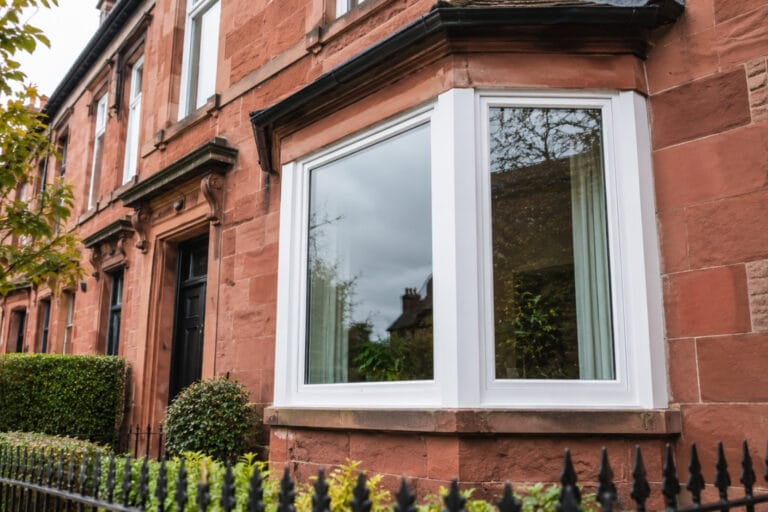
Quality uPVC windows typically last around 20 to 25 years, and often longer with good care. They resist moisture, do not rot, and need very little maintenance, which suits the damp Scottish climate well. Over time, older uPVC can discolour or the sealed glazing units can fail, but the frames themselves are long-lasting.
Aluminium windows
Aluminium is the longest-lasting mainstream option, with a lifespan of 40 years or more. It is exceptionally strong, does not warp or corrode when properly finished, and holds its colour well. The higher upfront cost is offset by this longevity, which is why aluminium is popular for homes intended as a long-term investment.
Timber windows
Timber windows can last several decades and, in the case of well-maintained traditional sash windows, sometimes far longer. The catch is maintenance: timber needs regular painting or staining to protect it from Scotland’s wet weather, and neglected timber will rot. Looked after, timber lasts well; ignored, it deteriorates faster than uPVC or aluminium.
What affects how long windows last?
Material is only part of the story. Several other factors influence how long do windows last in practice:
- Installation quality: even the best window fails early if fitted poorly. Proper sealing and secure fixing are essential, especially in exposed Scottish locations.
- Exposure: windows on a coast-facing or wind-battered elevation weather faster than sheltered ones.
- Maintenance: cleaning frames, lubricating hinges and locks, and keeping drainage channels clear all extend lifespan.
- Glazing quality: the sealed glass unit has its own lifespan, and cheaper units fail sooner than well-made ones.
Signs your windows are reaching the end of their life
Regardless of age, certain signs tell you windows are failing and worth replacing:
- Condensation or misting trapped between the panes, a clear sign the sealed unit has failed
- Draughts around the frame even when the window is shut
- Difficulty opening, closing, or locking the window
- Visible rot, warping, or crumbling in timber frames
- Noticeably cold rooms or rising heating bills as thermal performance drops
- Frames that are discoloured, cracked, or clearly past their best
Is it worth repairing or replacing?
Not every problem means full replacement. A failed sealed glazing unit can sometimes be replaced within a sound frame, which is cheaper than a whole new window. However, if the frames themselves are old, draughty, and underperforming, replacing the window entirely gives far better thermal performance and comfort. If your windows are past 20 years old and showing several of the signs above, replacement is usually the better long-term value, particularly given how much window technology has improved.
Getting the longest life from new windows
To make the most of your investment, choose a quality product, insist on professional installation, and keep up with simple maintenance. In the Scottish climate, specifying a good weather-tightness rating and quality glazing pays off in both lifespan and comfort. Explore our uPVC windows in Glasgow and aluminium windows in Glasgow, or contact us for a free survey across Glasgow and Stirling.
Frequently asked questions
How long do uPVC windows last?
Quality uPVC windows typically last around 20 to 25 years, and often longer with good care. They resist moisture and do not rot, which suits the damp Scottish climate. Over time older uPVC can discolour or the sealed glazing units can fail, but the frames themselves are long-lasting.
Do aluminium windows last longer than uPVC?
Yes. Aluminium windows typically last 40 years or more, compared with around 20 to 25 years for uPVC. Aluminium is exceptionally strong, resists corrosion when properly finished, and holds its colour well, which is why it is often chosen for long-term investment despite the higher upfront cost.
How do I know if my windows need replacing?
Key signs include condensation trapped between the panes, draughts around the frame when shut, difficulty opening or locking, visible rot or warping, and cold rooms with rising heating bills. If your windows are past 20 years old and showing several of these signs, replacement is usually the better long-term option.
Can you replace just the glass instead of the whole window?
Sometimes yes. If the frame is sound but the sealed glazing unit has failed, the glass unit can often be replaced on its own, which is cheaper than a full window. However, if the frames are old and underperforming, replacing the whole window gives far better thermal performance and comfort.
How can I make my windows last longer?
Choose a quality product, insist on professional installation, and keep up with simple maintenance: clean the frames, lubricate hinges and locks, and keep drainage channels clear. In Scotland, specifying a good weather-tightness rating and quality glazing also helps windows last longer and perform better.